
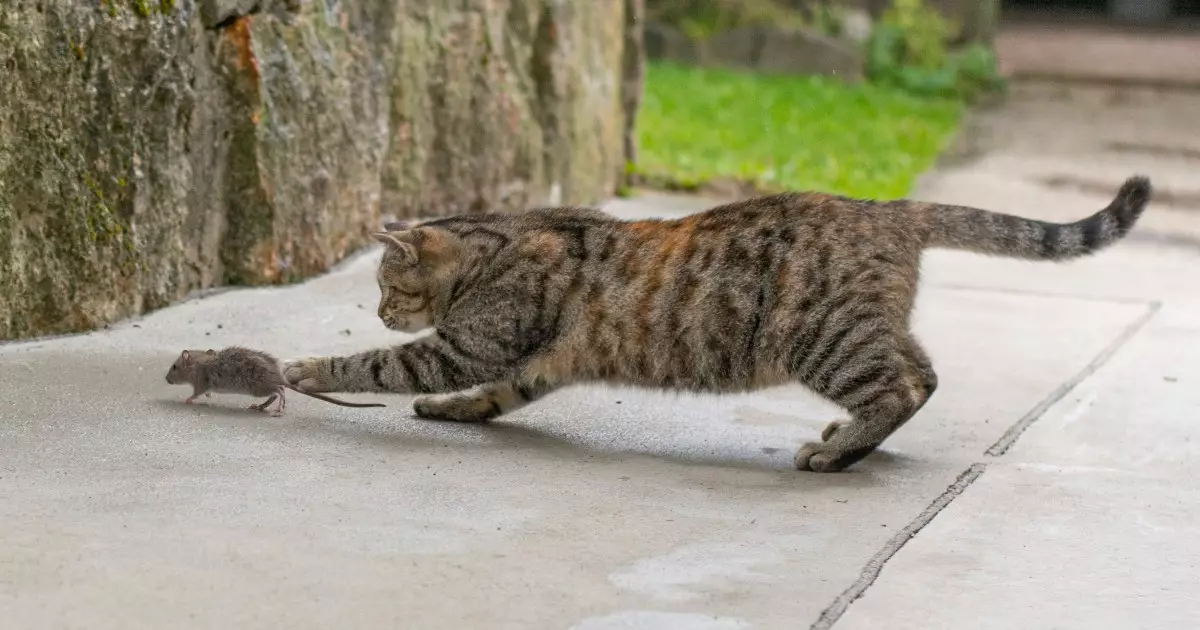
In the annals of human civilization, few animals have woven themselves into the fabric of our lives as intimately as the domestic cat. Arising from their wild ancestors, cats were initially recognized primarily for their prowess in dealing with pests. In ancient Egypt, they earned their keep by protecting grain stores from rodents, displaying their hunting skills. However, as societies evolved, so did the perception of cats. They transitioned from mere guardians of food supplies to cherished family members, admired not only for their utility but also for their unique personalities and charm.
Yet, this domestication came at a cost. Over generations, the instinctual hunting capabilities of cats were diminished through selective breeding and lifestyle changes, leading to a fascinating question for modern cat owners: How does one identify a cat that possesses the traditional skills necessary to excel in mousing?
Determining which cat may possess the innate ability to hunt is not a straightforward matter of breed selection. While certain breeds have developed a reputation for being more inclined toward hunting, temperament ultimately plays a significant role. The Maine Coon, once renowned for its exceptional mousing ability, has seen its reputation fade, challenging owners to look beyond mere breed names. Breeds such as the Manx, Persian, and Ragdoll are often cited as “too gentle,” displaying a laid-back nature that may not mesh well with the energy required for hunting.
However, some breeds—like the American Shorthair and British Shorthair—are still recognized for their mousing capabilities. Athletic breeds, including the Bengal and Abyssinian, showcase a stamina that may pique interest, but whether or not they are adept hunters remains unconfirmed. Interestingly, many owners report that their most effective hunters are often mixed-breed ‘pound kitties’ adopted from shelters, suggesting that the best mousing capabilities may transcend purebred limits.
To discern if a cat has the qualities of a skilled mouser, observe their behavior. Engage with your feline friend—note whether they carry toys in their mouth or exhibit possessive behavior toward their playthings. Such actions indicate a predatory instinct and a playful spirit, essential characteristics of a proficient hunter. Curiosity and activity levels are also strong indicators; a cat that actively investigates their environment and shows persistence in play may possess the necessary skills.
While instinct is essential, even the most skilled hunters know when to cut their losses. A hunter’s ability to gauge the success of their endeavors is as critical as the ability to chase. Additionally, some evidence suggests that female cats may subtly outperform males in hunting, possibly due to their role as educators to their offspring in the art of hunting. Furthermore, older cats can draw upon years of experience, making them potentially more effective than kittens just learning the ropes.
Despite the desire for a competent mouser, it is crucial to remember that acquiring a cat solely for pest control is questionable. A well-balanced approach to ownership should be prioritized. If your mouse situation is dire, enlisting professional pest control services may be more prudent than relying solely on a cat.
Moreover, ensure that your cat is well-fed and cared for. A hungry cat may hunt from desperation, while a well-nourished one turns to hunting as a source of entertainment, providing a greater opportunity for successful captures. Surprising as it sounds, you might even want to acknowledge and reward your cat for their ‘gifts,’ albeit in a hygienic manner.
The hunting lifestyle comes with inherent health risks. Cats that hunt are more likely to be exposed to various diseases, which underscores the importance of regular veterinary check-ups. Routine worming and awareness of localized health risks are fundamental aspects of responsible cat ownership.
In closing, concurrent with the enduring legacy of cats as beloved companions, the aspiration to find a capable mouser should be approached with a deep understanding of their needs and individuality. Combining affection with an appreciation for their instinctual behaviors creates a holistic and rewarding relationship. After all, the real blessing lies not just in having a cat who can hunt, but in forging a genuine bond with a creature that has been part of human history for millennia.
