
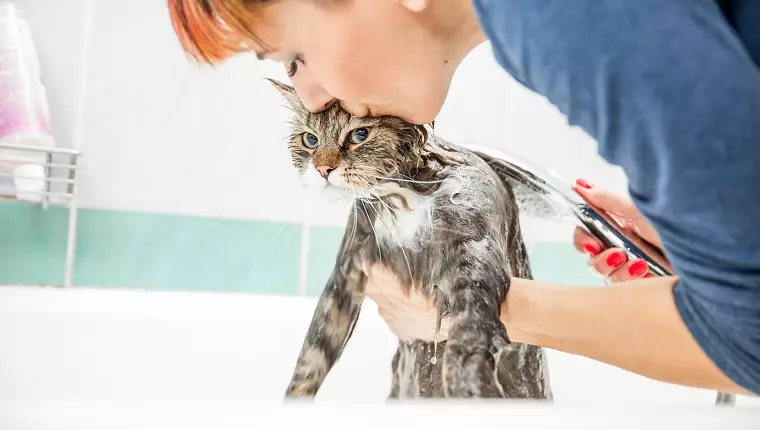
Bathing a cat may seem like a daunting task for many pet owners, especially those who have heard horror stories of scratched arms and agitated felines. However, with proper preparation and a gentle approach, giving your cat a bath can be a manageable and even rewarding experience. This article will explore essential tips and techniques to help you confidently bathe your cat at home, ensuring a stress-free environment for both you and your furry friend.
Cats are known for their impressive self-grooming abilities, often spending a large portion of their day cleaning themselves. However, there are circumstances where bathing becomes necessary. If your cat has a thick or long-haired coat that is prone to matting, they may require occasional baths to keep their fur clean and manageable. Additionally, cats that are overweight or those that struggle with mobility may not be able to groom themselves effectively, necessitating help from their owners.
If your cat has been rolling in something sticky, smelly, or if they were exposed to a situation like a skunk encounter, it is crucial to act quickly. The sooner you address the issue, the easier it will be to remove unwanted odors and substances from their coat.
While some breeds, such as the Maine Coon or Turkish Van, may enjoy water, most cats can experience stress during bath time. This is why establishing a positive association with bathing from a young age is beneficial. However, even older cats can learn to tolerate baths with gradual exposure and patience.
Before you even think of turning on the water, prepare the bathing area by gathering all necessary supplies — cat shampoo, towels, a cup or a handheld sprayer, and treats. Make sure the water temperature is comfortable for your cat, ideally lukewarm. Avoid using human or dog shampoos, as these can irritate a cat’s sensitive skin.
Consider having a helper present, especially if your cat is anxious or has never experienced a bath before. One person can gently hold the cat while the other completes bathing tasks, creating a calmer environment for your pet.
Prior to the bath, brush your cat’s fur to remove mats and tangles. This step is crucial, as wetting matted fur can make the tangles worse and might require tedious grooming later. Also, check and trim your cat’s nails to minimize the risk of scratches during the process.
Now that everything is prepared, it’s time to get down to business. Fill your bathtub or sink with around four to five inches of warm water, ensuring it isn’t too deep for your cat to feel overwhelmed. Gently place your cat into the warm water and start wetting their fur using a cup or a handheld sprayer.
It’s important to avoid the head area during this part, as many cats dislike having water on their face. Consider using a damp cloth to clean their face separately after bathing their body to reduce their anxiety. Apply the cat-specific shampoo, lathering it into their fur while being extra cautious with their tummy area.
Rinse thoroughly until all shampoo is removed; lingering soap can irritate their skin, leading to discomfort. Once the washing is completed, wrap your cat in a soft towel to absorb excess water. Never use a hairdryer, as the heat can harm their skin and the noise can terrify them.
Post-Bath Care and Positive Reinforcement
After drying your cat, it’s time to provide positive reinforcement. Offer them treats and praise to help them associate bath time with good experiences. This strategy is crucial for maintaining a peaceful relationship with grooming sessions in the future.
Consider scheduling regular grooming sessions to keep your cat’s coat healthy and to monitor for any skin issues or changes. While monthly baths are generally sufficient, adjust the frequency based on your cat’s specific needs and environment. For hairless breeds or those with medical issues preventing them from self-grooming, consult your veterinarian for a suitable bathing schedule.
Bathing your cat can seem like a challenging endeavor, but with thoughtful preparation and a gentle approach, it can be accomplished with minimal stress. Understanding your cat’s grooming needs, preparing in advance, and using soothing techniques will not only ease the process but also foster a more trusting bond with your feline companion.
With patience and practice, you can become adept at homemade cat grooming, saving money while ensuring your beloved pet remains clean and healthy. Remember that a successful bath is not just about cleanliness; it’s also about building a positive experience that can lessen anxiety in future grooming sessions. So roll up your sleeves, gather your supplies, and dive into this rewarding aspect of pet care!
