
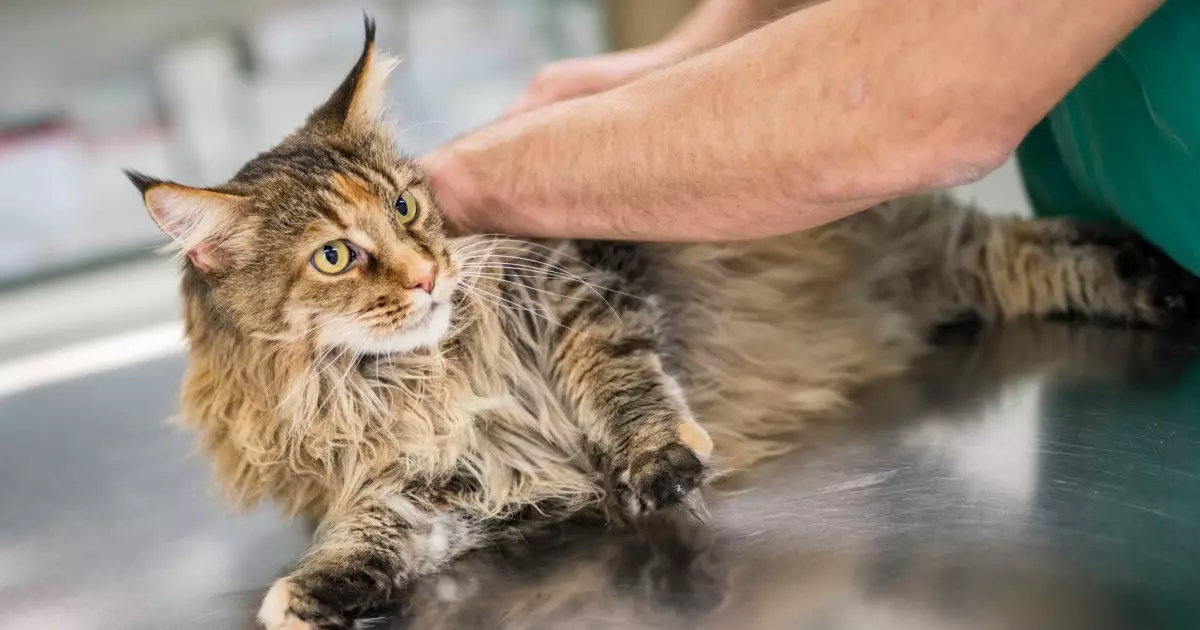
As pet parents, we all strive for our beloved cats to live vibrant, fulfilling lives. A critical aspect of achieving this is ensuring that our furry friends receive both traditional and innovative health care. While conventional veterinary practices are fundamental, alternative therapies—particularly chiropractic care—are gaining traction as effective treatments for a variety of feline conditions. This article explores the positive impacts of chiropractic care on cats, the types of issues it can address, how to select a qualified chiropractor, and what to expect during sessions.
Chiropractic care revolves around the belief that proper alignment of the musculoskeletal system is essential for optimal health. For cats, this treatment modality can be particularly beneficial in addressing issues that stem from misalignments in the spine and joints. Conditions commonly treated by cat chiropractors include arthritis, injuries, mobility challenges, and even digestive problems. By applying gentle adjustments, practitioners aim to enhance blood flow, alleviate pain, and stimulate the body’s innate healing processes.
Senior cats are particularly good candidates for chiropractic interventions. As cats age, they often experience degenerative joint diseases like arthritis, leading to discomfort and reduced mobility. Gentle chiropractic adjustments can relieve pain, enhance movement, and significantly boost their quality of life. Moreover, younger cats can also benefit from chiropractic therapy, especially those that have suffered sports-like injuries from jumping or climbing.
The benefits of chiropractic care go beyond mere physical adjustments. By correcting misalignments, the therapy can also promote increased nerve function, which may indirectly enhance other bodily systems. Some studies suggest that digestive issues often stem from spinal misalignments, and chiropractic adjustments may restore proper nerve functioning, promoting better digestion and nutrient absorption. Imagine the relief of fewer hairballs and a healthier digestive tract for your beloved feline!
However, before embarking on any chiropractic journey, it’s crucial to consult with a veterinarian, who can offer insights into whether this form of therapy is right for your cat’s specific health concerns.
Choosing the right professional for your cat’s chiropractic needs can significantly affect treatment outcomes. Begin by seeking a licensed veterinarian who possesses specialized training in animal chiropractic care. Many reputable organizations, such as the American Veterinary Chiropractic Association (AVCA), offer certification programs that ensure practitioners meet specific standards of care.
Experience is another key factor when evaluating potential chiropractors. Tap into your network for recommendations, or consult with fellow cat owners who have experience with chiropractic treatment for their pets. Reading online reviews can provide additional insights into various chiropractors’ reputations and approaches.
Additionally, a good cat chiropractor should exhibit an understanding and respect for feline behavior. Cats can be sensitive to new experiences, so it’s vital that the practitioner creates a welcoming, calm atmosphere. This is crucial for reducing stress and ensuring a more productive treatment session.
During a chiropractic appointment, the chiropractor will conduct a thorough evaluation of your cat’s health history, current conditions, and physical state. Observing your cat’s movements and conducting a detailed physical examination helps the practitioner determine the best course of action. Advanced techniques, including X-rays, may also be employed to achieve a comprehensive understanding of your cat’s musculoskeletal health.
Once the assessment is complete, the chiropractor may proceed with gentle physical adjustments to realign the spine and joints. Techniques can vary, and some chiropractors may use specialized instruments like activators in addition to traditional hand adjustments.
While chiropractic sessions are generally safe, cats may occasionally experience mild side effects following treatment. Common responses include transient soreness, lethargy, or temporary changes in behavior, such as heightened affection or restlessness. Most of these effects subside within a few days and can be managed with supportive care at home.
It’s essential to monitor your cat closely after an appointment. If any changes persist or worsen, promptly reach out to the chiropractor or your primary veterinarian to discuss your observations.
Chiropractic care can be a promising complementary approach to conventional veterinary treatments, especially for musculoskeletal issues and overall wellness enhancement in cats. By carefully choosing a qualified chiropractor and remaining attentive to your pet’s needs, you can help ensure a happier, healthier life for your feline friend. Always consult your veterinarian before engaging in any alternative therapies so that you can make well-informed decisions that prioritize your cat’s health.
