
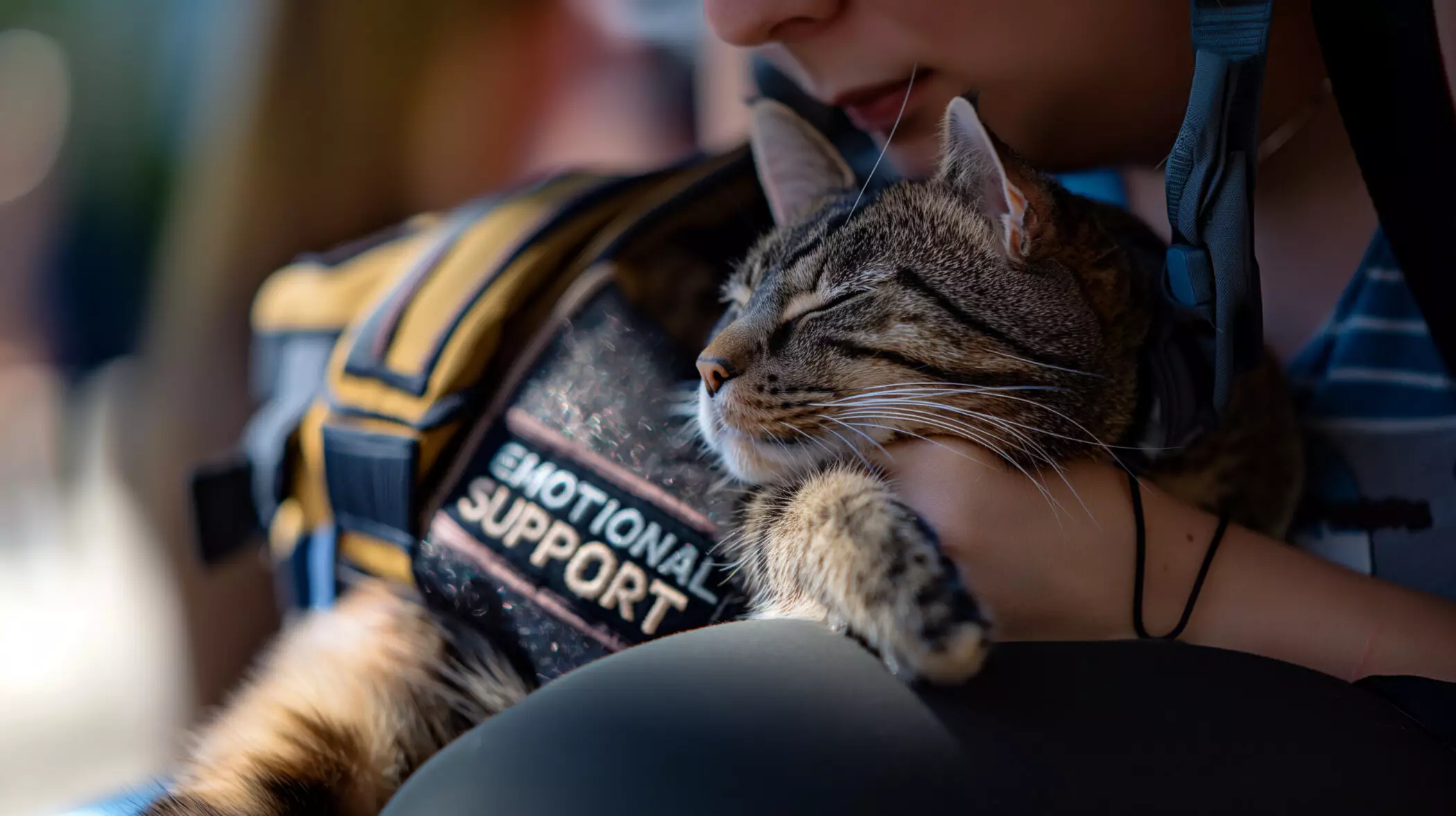
Cats have long been cherished as pets, but their potential to assist individuals struggling with emotional or psychological challenges is slowly gaining recognition. While dogs are prominently known for their roles as service animals, the significance of cats as emotional support animals (ESAs) is equally profound. In this article, we will explore how you can successfully navigate the process of acknowledging your feline friend as an official ESA, ensuring both you and your companion can thrive together.
Understanding the Types of Assistance Animals
To appreciate the value of your cat as an emotional support animal, it is essential to comprehend the different classifications of assistance animals. Primarily, there are three categories: Service Animals, Emotional Support Animals, and Therapy Animals.
1. **Service Animals**: These animals are meticulously trained to perform specific tasks that assist individuals with disabilities, ranging from retrieving items for those with mobility impairments to guiding individuals with visual impairments.
2. **Emotional Support Animals (ESAs)**: Unlike service animals, ESAs provide emotional comfort and companionship to individuals facing mental or emotional health challenges. This category encompasses cats and dogs alike.
3. **Therapy Animals**: These specially trained animals visit various environments, such as hospitals and schools, offering comfort and support to individuals in need as part of a therapeutic approach.
With this understanding, you can better position your cat within the ESA framework, clarifying its role in your life and the support it provides.
Before embarking on the journey to officially recognize your cat as an emotional support animal, it is critical to evaluate your pet’s temperament and behavioral traits. Cats are unique creatures and not all of them are suited for the role of an ESA.
A suitable emotional support cat typically exhibits a calm demeanor and a social disposition. Look for traits like friendliness, adaptability to different surroundings, and a willingness to engage positively with humans. Observing how your cat reacts in various situations—both familiar and novel—can provide insights into their potential as an emotional support animal. If any concerning behaviors arise, consider consulting a professional animal behaviorist to ensure your cat is mentally and physically equipped for this important role.
Obtaining a Recommendation for ESA Status
Once you’ve assessed your cat’s suitability, the next pivotal step is to acquire a recommendation from a licensed mental health professional. This official recommendation will enable you to receive an ESA letter, which can be pivotal in granting your cat the status it deserves.
During your appointment, be candid about your emotional health struggles and how your cat contributes to your sense of well-being. The mental health professional will conduct a thorough evaluation of your mental state and determine if an emotional support animal can alleviate some of your difficulties. Achieving clarity during this discussion can enhance your chances of receiving the necessary documentation.
While you can seek an ESA letter through in-person consultations, online platforms that specialize in mental health services can offer alternative avenues. Ensure that any online service you engage with is reputable to maximize the benefits of this consultation.
Know Your Rights and Responsibilities
With your ESA letter in hand, it’s crucial to familiarize yourself with the legal landscape surrounding emotional support animals. The Fair Housing Act (FHA) provides significant protections for individuals with ESAs, allowing them to live with their animals despite restrictions in pet policies. However, it’s essential to ensure that your cat does not pose any potential danger to others or cause damage to property, as these factors could negate your rights under the FHA.
Although Emotional Support Animals enjoy certain privileges, they do not possess the same level of public accessibility as service animals. Recent changes in airline policies concerning ESAs mean that further preparation is necessary if you intend to travel with your cat. Knowing the specifics of these regulations can empower you to advocate for your right to have your emotional support cat accompany you in different environments.
While registering your cat as an ESA is not a legal requirement, doing so can add legitimacy to your claim and provide you with additional resources. Various ESA registration services offer documentation, such as ID cards and certificates, which can prove useful in situations where your need for an ESA may be questioned.
When selecting a registration service, ensure that it is reputable. Submit your ESA letter alongside details about your cat to receive your registration kit, which can facilitate smoother interactions with landlords or public settings.
Final Thoughts: Strengthening the Bond with Your Feline Companion
Recognizing your cat as an emotional support animal involves careful consideration, assessments, and following specific protocols. However, the bond shared between a person and their assistance animal offers profound emotional value, transcending legal designations. By understanding the necessary steps—from evaluating your cat’s suitability to advocating for your rights—you’re setting the stage for a supportive partnership that can significantly enhance your emotional well-being. Through this process, you will not only affirm your cat’s role as an integral part of your life but also elevate the companionship and comfort it provides.
