
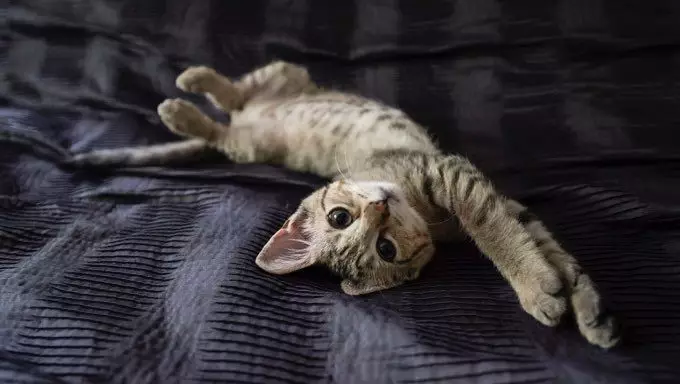
Cats have secured a significant place in the hearts of Americans, becoming one of the most beloved household pets across the nation. Their intriguing nature and affectionate demeanor make them appealing companions, yet many misconceptions surround these enigmatic creatures. These misunderstandings can lead to negative consequences, not just for our feline friends but also for their owners. In this article, we will delve into several prevalent myths about cats, unpacking the realities behind them and shedding light on effective feline care.
Contrary to the popular belief that cats are solitary creatures, many felines experience loneliness and separation anxiety. This can manifest through behaviors like inappropriate elimination, excessive vocalization, or even changes in appetite. Cats thrive with interaction; hence, providing them with ample playtime and companionship is vital to their mental well-being. To ensure your cat remains happy, consider limiting their time alone and engaging them with stimulating toys or activities.
One of the most prevalent misconceptions is that when cats refuse to use their litter box, they are simply being defiant. However, this behavior could indicate underlying medical issues or anxiety. A visit to the veterinarian should be the first step to rule out health concerns. Once any physical issues have been addressed, cat owners can explore retraining methods such as introducing different types of litter, enhancing the number of litter boxes available, or adjusting the placement of the boxes to create more appealing spaces for their cats.
Many humans interpret a cat’s scratching behavior as aggression or frustration. In reality, cats scratch for various reasons, including marking their territory, relieving stress, and maintaining paw health. Providing designated scratching posts and toys can redirect this natural behavior, fostering a healthier relationship between the cat and its environment. Ignoring the need to scratch can lead to problematic behaviors, making it crucial for owners to facilitate appropriate outlets for their cats’ instincts.
One of the most erroneous myths surrounding cats is the notion that they pose a threat to babies by, supposedly, “sucking the air out of their lungs.” This myth persists in popular culture, but in practice, there is no medical evidence to support such claims. Cats and infants can cohabit safely, provided that adult supervision is maintained during their interactions. Over time, cats and children can form meaningful bonds that enrich their lives.
Another misconception is that cats, unlike dogs, do not require social interaction. In fact, socialization is essential for a cat’s development. Kittens go through a critical socialization period between two to seven weeks of age, during which they learn about their environment. Introducing them to new experiences, other pets, and even social settings can enhance their confidence and reduce behavioral issues down the line.
While meowing is often perceived as a sign of a happy cat, it is actually a primary form of communication between a cat and its owner. Kittens meow to their mothers, but as they grow, they predominantly meow to humans to express various needs. Excessive meowing can be linked to health problems like hyperthyroidism or other ailments, so it’s crucial for cat owners to pay attention to vocalization changes and consult a veterinarian if concerns arise.
Pet owners often underestimate the importance of routine veterinary care for cats, believing that their independence mitigates the need for check-ups. However, regular health screenings are essential for monitoring feline well-being and identifying potential health issues early. Many animal hospitals have implemented fear-free practices, fostering a more pleasant experience for all involved. Consult a veterinarian for advice on reducing stress during visits to ensure your cat receives the necessary care.
Understanding the true nature of cats is imperative to ensure their optimal welfare and happiness. Dispelling these myths not only enriches our bond with our feline companions but also leads to better care practices. By educating ourselves and debunking these misconceptions, we can foster a more affectionate and fulfilling relationship with our beloved pets. Are there other myths about cats that need to be challenged? Fostering an environment of understanding paves the way for a healthier, happier feline and a more harmonious household.
