
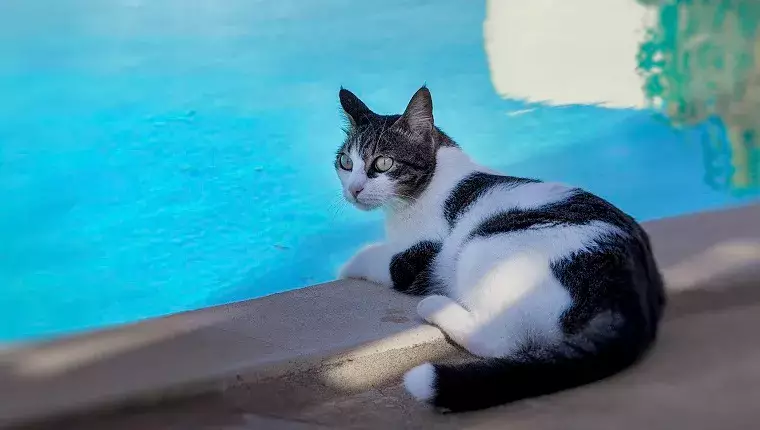
As summer rolls in and backyard swimming pools become the focal point of leisure activities, pet owners must also consider their furry family members. Cats, notoriously known for their curiosity, can encounter unexpected dangers in environments like pools. This article will delve into the essential tips to ensure your feline friend remains safe and sound while enjoying the summer sun.
Understanding Your Cat’s Comfort Level
Before introducing your cat to the swimming pool, it is critical to assess their individual temperament. Some cats are natural swimmers while others detest water and barely tolerate even a damp paw. Start slow; create a safe and controlled environment where your cat can explore without the overwhelming pressure of being thrown into a pool. Begin by letting them sniff around the edges while observing your body language. Your calm demeanor can reassure your cat and encourage them to feel more comfortable.
If your cat seems adventurous, gradually introduce them to shallow water in a controlled manner. Use positive reinforcement, such as treats or praise, to encourage them to engage with water. However, never force them into the pool; it’s essential to let them set the pace. Building this confidence could pay off in emergencies when their natural swimming instincts might be necessary for their survival.
The Importance of Supervision
Perhaps the most significant aspect of pool safety is the constant supervision of your cat. This responsibility cannot be overstated. Even seasoned swimmers can find themselves in a dangerous predicament with just a moment of inattention. An adult cat may slip and fall, and it’s essential to be right there to help if needed.
However, the physical presence of the owner is not the only form of supervision needed. Consider incorporating pool alarms designed to detect disturbances in the water. These alarms can alert you immediately if your cat accidentally plunges into the pool, allowing you to respond quickly. Investing in this kind of technology combines modern safety with traditional vigilance, creating an added layer of protection.
Recognizing the Risks of Drowning
The possibility of drowning is a grim reality that pet owners must recognize. Cats are skilled animals but are also vulnerable in unfamiliar settings. Even the most graceful of felines can become disoriented after slipping into water, leading to panic and disarray. You must know the symptoms of near-drowning immediately; cats often hide their distress until it’s too late. Common indicators include difficulty breathing, excessive drooling, and lethargy. If you suspect your cat is in distress, contact your veterinarian as soon as possible.
Moreover, be mindful that the effects of potential drowning can be delayed. Water trapped in the lungs can result in life-threatening complications well after the event occurs. Stay vigilant even after rescuing your pet—monitor their condition closely.
Health Concerns Related to Pool Chemicals
The exposure to pool chemicals, notably chlorine, poses another risk for your cat. While a quick dip in the pool may not harm your feline, prolonged exposure can lead to skin irritations or respiratory issues. Additionally, if your cat decides to take a drink from the pool, the consequences can be dire. Intoxication from chlorine is a severe health hazard that can manifest in vomiting or lethargy.
To alleviate these risks, always have fresh, clean water available nearby. Consider investing in a cat water fountain; their active flow can encourage drinking and keep your pet hydrated, steering them away from potentially toxic sources. Keeping your cat hydrated and safe should be a top priority, especially during the summer heat.
Maintaining Ear Health
Swimming can lead to moisture pooling in your cat’s ears, laying the groundwork for bacterial infections. Just as humans need to dry their ears after swimming, so do your cats. Make it a point to dry your cat’s ears thoroughly after a swim, ensuring that no water is left behind.
Having towels nearby can streamline this process post-swim, making it easier to prevent potential ear-related issues. Keep an eye out for signs like pawing at the ears or unpleasant odors, which may indicate inflammation or infection.
Community Tips and Insights
As with any aspect of pet ownership, sharing experiences yields valuable insights. Actively engage with other pet owners, either online or in your local community, to swap safety tips and strategies about keeping your feline safe around water. Community wisdom can introduce you to effective methods or products that have successfully kept their pets safe.
The allure and relaxation of summer can quickly turn stressful when your furry friend is involved. By understanding your cat’s needs and providing vigilant supervision, they can enjoy warm days by the pool without putting their health at risk. Whether it’s through introducing them to water gradually, arming yourself with technological safety measures, or being proactive about their health, protecting your cat around water requires a combination of attention, creativity, and constant commitment.
