
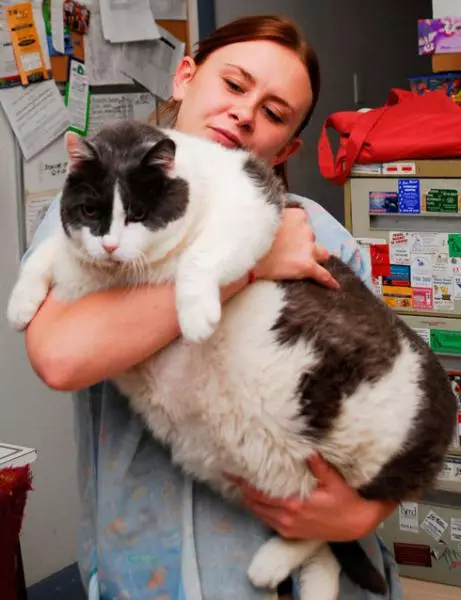
Pet obesity has emerged as a significant concern across the globe, particularly in the United Kingdom. Alarmingly, statistics suggest that between 39% and 52% of cats in the UK are classified as overweight or obese. This epidemic reflects a worrying trend in pet ownership and care, emphasizing the necessity for responsible feeding practices and effective management of pet diets. The classification of obesity in felines is specific—cats are deemed ‘obese’ when they weigh at least 20% more than their optimal weight, while those that weigh 10% to 19% more are simply considered ‘overweight.’ These figures highlight the critical need for pet owners to be vigilant about their cats’ bodyweight, aligning pet care habits with health-conscious strategies.
To effectively monitor a cat’s health, it’s vital to employ a body condition scoring (BCS) system, which standardizes weight assessment. This scale rates body condition from 1 to 5— with 1 signifying a very thin cat, 3 indicating an ideal fit, and 5 reflecting obesity. Understanding the signs of an obese cat can help pet owners make more informed decisions. An obese cat typically presents with hard-to-feel ribs, a thick layer of fat over bony structures, a noticeable abdominal bulge, and the absence of a defined waist. The implications of obesity extend beyond aesthetics; they can severely impact a cat’s overall health, increasing susceptibility to various diseases and other chronic conditions.
The crux of the obesity issue lies in the concept of energy balance. Cats gain weight when they maintain a ‘positive energy balance’, meaning they consume more calories than they expend. Generally, a cat’s body regulates this balance, but various factors can disrupt this homeostasis. Neutered cats, for example, tend to gain weight more easily due to a lowered metabolic rate—approximately 20% less than their intact counterparts. Moreover, lifestyle factors such as activity levels play a pivotal role. Cats that are more active burn more calories, making them less prone to weight gain. Unfortunately, neutering may diminish the desire to explore outside, subsequently leading to a sedentary lifestyle.
Age is another contributing factor in the prevalence of obesity in cats. Kittens under the age of two typically exhibit lower incidences of obesity, but as cats enter their prime years (2 to 10 years), the likelihood of weight problems increases due to reduced energy requirements. Senior cats, over the age of 10, often face the opposing issue of being underweight, which further complicates dietary needs and management.
Nutrition plays a primary role in combating feline obesity and involves strategic dietary planning. A key culprit in obesity can be a diet rich in palatable yet calorie-dense foods. These types of foods become problematic, especially when offered freely or given excessively as treats. To mitigate these risks, pet owners should consider veterinary-approved diets specifically formulated for weight management; these foods typically contain high protein, low fat, and minimal carbohydrates. Such diets not only promote fat reduction but also help preserve muscle mass—essential for overall feline health.
Incorporating exercise is equally crucial in managing feline weight. Cats need stimulation and activity, which can often be facilitated through play. Increasing physical activity levels can be as simple as using puzzle feeders that intrigue and motivate cats to engage mentally and physically. Additionally, subtly moving food bowls or encouraging stair climbing can increase activity levels, enhancing their overall well-being.
Once a cat has reached its target weight, continued vigilance is necessary to maintain that healthy condition. Regular check-ups with a veterinary professional ensure that any regaining of weight is addressed promptly. Weight loss, particularly in cats, needs to be approached carefully to avoid rapid reductions that could lead to serious health issues, such as hepatic lipidosis. Therefore, creating a gradual weight loss plan, preferably under veterinary guidance, becomes essential, making sure that significant bodyweight loss is both comprehensive and maintainable.
The battle against feline obesity requires a multifaceted approach encompassing proper diet, regular exercise, and constant monitoring. Pet owners must remain informed and proactive in addressing these concerns to promote longevity and quality of life for their feline companions. By adopting these rigorous yet essential measures, we can collectively work towards ensuring our beloved pets lead healthier, happier lives.
