
Cats have long captured the hearts of millions with their playful antics, unique personalities, and comforting purrs. These lovable companions not only brighten our lives but are also a source of companionship and joy in times of solitude. Unfortunately, for some, the joy of cat ownership is hindered by allergies. It’s essential to understand the nature of these allergies and the cat breeds that may be better suited for those affected.
Understanding Cat Allergies
Contrary to popular belief, cat allergies are not solely caused by cat fur. The real culprit lies in a protein called Fel d 1, which is found in feline saliva, skin cells, and urine. When cats groom themselves, they spread this protein across their fur. As the fur sheds into the environment, it can lead to allergic reactions in sensitive individuals. Understanding this is crucial in navigating the world of cat ownership for those with allergies.
While there’s no such thing as a truly hypoallergenic cat, certain breeds are known to produce lower amounts of this allergenic protein. By selecting one of these breeds, allergy sufferers can mitigate their symptoms and enjoy the companionship of a feline friend.
If you’re looking for a cat that may minimize allergic reactions, it’s worth considering short-haired breeds or those that don’t shed much. Among the top contenders is the **Siamese** cat. This breed is renowned for its striking appearance and vocal nature. Siamese cats have short, fine coats that don’t trap dander, making them an appealing choice for those with allergies. Additionally, their affectionate disposition and playful nature often endear them to their human companions.
The **Balinese** cat is another breed often referred to as a “long-haired Siamese.” While they have slightly longer fur, they are also known for producing less Fel d 1 protein. These intelligent and social cats are great family pets and get along well with children and other pets. They may require occasional grooming, but their low shedding levels help reduce allergens significantly.
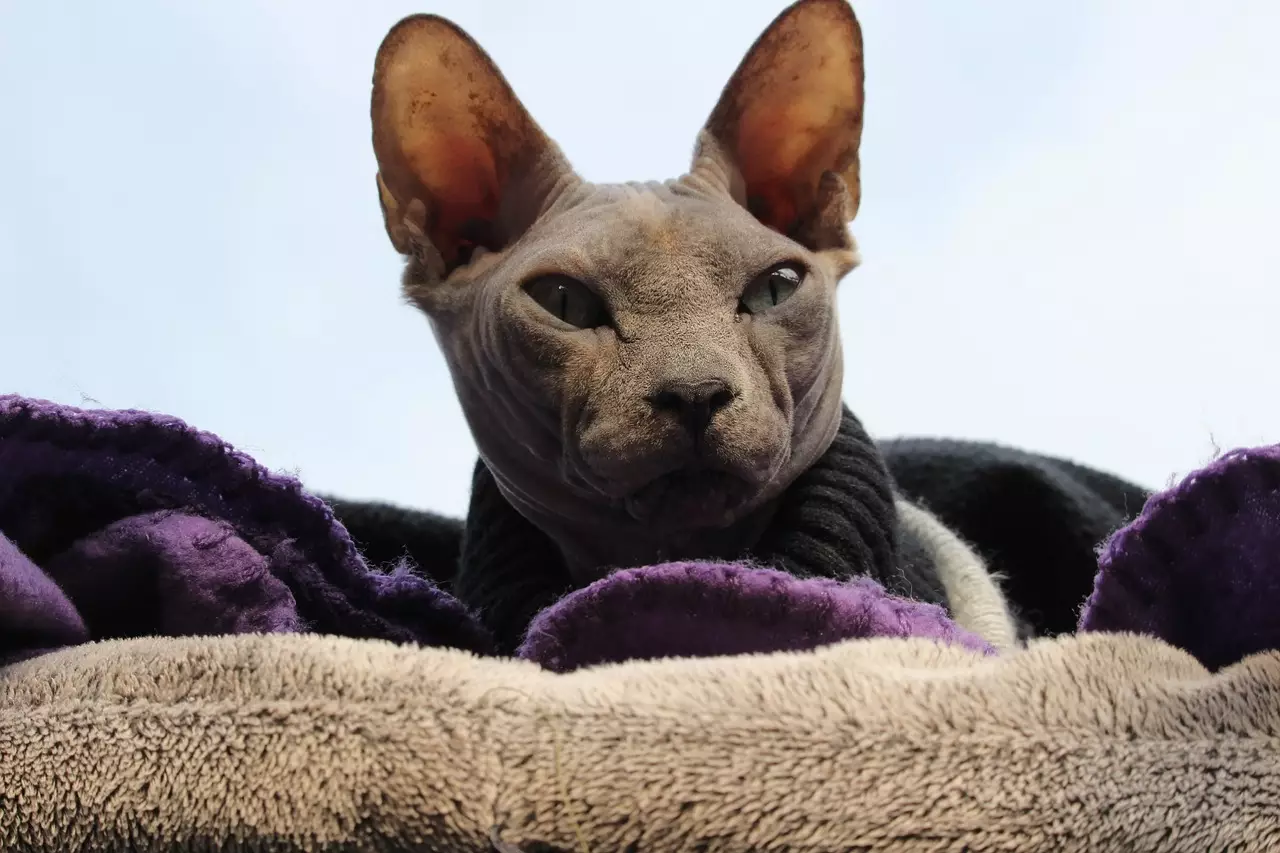
For those seeking a unique look, the **Sphynx** cat might be the ideal match. Though hairless, Sphynx cats require regular bathing to prevent the accumulation of oil on their skin, which can also contribute to allergens. Despite this care, they are famous for their playful and affectionate nature, making them feel more like dogs than traditional cats.
Another exotic choice is the **Bengal** cat, noted for its wild appearance reminiscent of leopards. With a sleek coat, Bengals are energetic and intelligent, capable of forming strong bonds with their owners. However, potential owners should ensure compliance with local regulations regarding exotic species ownership.
The **Russian Blue** cat is a calm and gentle breed, possessing a stunning grayish-blue coat. These cats are typically low-maintenance and affectionate, and regular grooming can reduce their shedding, which may help allergy sufferers.
Interestingly, the **Maine Coon** is also on the list of more hypoallergenic breeds. Despite their long fur, they produce less of the allergenic protein than other cats. Known for their friendly disposition and majestic size, Maine Coons are not only beautiful to look at but also make excellent companions for families.
Managing Allergies at Home
For current cat owners who suffer from allergies, there are several strategies to alleviate symptoms. Regular cleaning is paramount: vacuuming carpets, changing HVAC filters, and using air purifiers with HEPA filters can significantly reduce the presence of allergens. Covering bedding and upholstered furniture can also help, as can designating certain areas of the home as cat-free zones.
Furthermore, while some cats may produce fewer allergens, diligence is required. Regular grooming and bathing of your cat (as recommended for sphynx cats) can further cut down on projected allergens.
Just as humans experience allergies, cats can suffer from them too. Various veterinary products exist to help relieve their symptoms. One promising avenue of treatment is Cannabidiol (CBD), which has reported benefits for both cats and their human guardians, including reduced inflammation and a boost to the immune system. Always consult a veterinarian before introducing any supplements, especially those intended for humans.
Living with allergies does not have to mean giving up on the prospect of a feline companion. By being informed about hypoallergenic breeds and the proactive management of the home environment, allergy sufferers can find joy in cat ownership. Whether entertaining us with their playful antics or curling up beside us for a cozy cuddle, cats have an unparalleled ability to bring warmth and companionship into our lives. Each cat is unique, and finding the right one can lead to a harmonious relationship that benefits both feline and human alike.
