
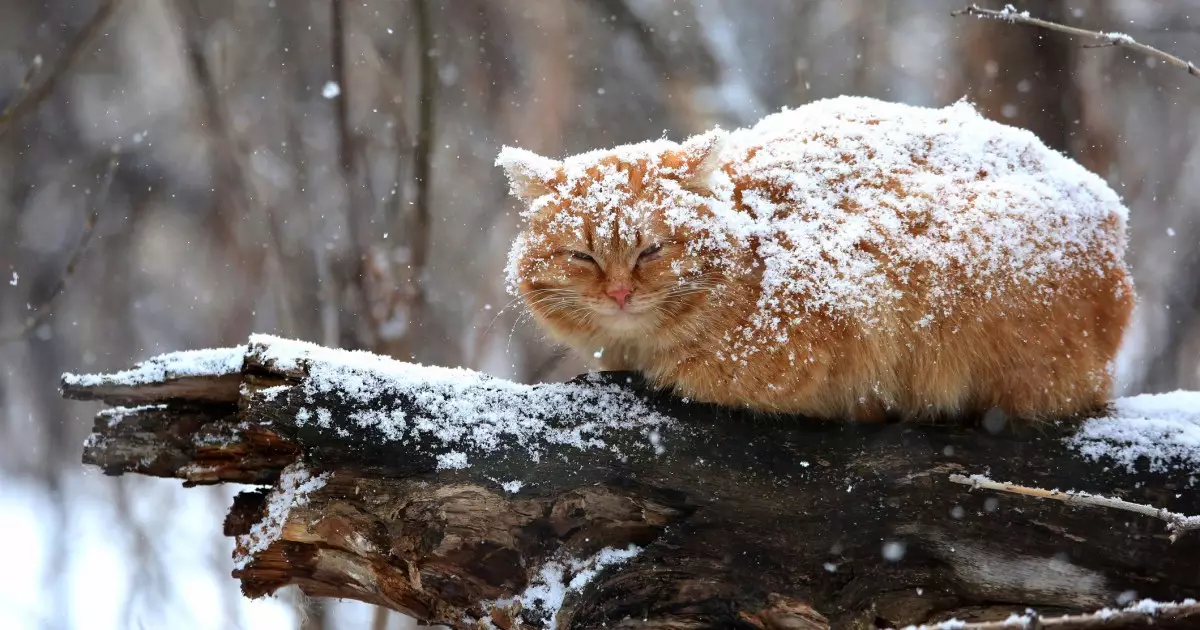
As the winter chill begins to settle in, the plight of outdoor cats becomes increasingly apparent. In many neighborhoods, feral cats, strays, and lost pets roam, facing the elements without shelter or adequate food. These resilient felines may appear resourceful, but the truth is that winter poses a significant challenge to their survival. Recognizing the need for assistance, community members can take proactive steps to help these cats endure the frosty months ahead. This article explores practical measures you can take to support outdoor cats during winter’s harsh conditions.
One of the most critical ways to assist outdoor cats is by providing shelter. Cats need a safe, insulated space where they can escape the biting cold. Creating a suitable refuge doesn’t necessarily require advanced carpentry skills or a hefty budget. There are myriad options available, from purchasing prefabricated shelters at pet stores to constructing your own using simple materials.
When building or selecting a shelter, it’s essential to keep in mind several key factors. Contrary to common belief, a smaller shelter can often retain heat more effectively than larger models. For colonies of multiple cats, a shelter accommodating three to five animals is ideal, as these cats tend to share warmth by huddling together.
Positioning the shelter is equally important; elevating it off the ground can aid in conserving heat while protecting it from moisture. Additionally, placing shelters away from busy streets and high foot traffic will reduce the risk of danger. Doorways should be just large enough for cats to enter, deterring potential predators. When insulating the shelter, avoid materials that retain moisture; straw is preferable to hay due to its water-repellent properties.
During winter, outdoor cats require a substantial increase in calories to help them maintain their body heat. Scavenging for food becomes a more arduous task as natural prey becomes scarce. Hence, it is vital to supplement their diet by providing food regularly.
An effective strategy is to position food and water just outside the shelter, ensuring easy access while keeping the shelter dry. For greater efficiency, consider placing food in two separate shelters, each facing one another. Using a canopy made from a simple board can protect both the food and water from the elements.
While dry food is convenient in winter due to its low likelihood of freezing, wet food should not be overlooked. It is easier for cats to digest, allowing them to conserve energy needed for warmth. Similarly, water provision should be carefully managed. To prevent freezing, use solar-heated bowls or heated containers made of thick plastic, ideally dark in color to absorb solar energy.
The winter months offer a unique opportunity for community members to address the issue of overpopulation among outdoor cats. Stray cats often contribute to a growing number of kittens each spring, exacerbating the problem of homelessness among cats. By capturing strays and arranging for spaying or neutering, individuals can help mitigate this cycle of reproduction.
Setting up a trap requires a strategic approach. Doing so in an enclosed area can protect the captured cats from harsh weather, making the process more humane. When deciding where to set traps, maintain a distance from existing shelters to give other cats a sense of security. To enhance success, consider using magnetic vent covers instead of newspaper to line the bottom of the trap, as the latter can rustle and scare away cats. Additionally, warming the bait with microwaveable heating pads can entice cats into the traps more effectively.
By taking the initiative to provide shelter, sustenance, and long-term population control strategies through spaying and neutering, community members can significantly improve the chances of survival for outdoor cats throughout the winter months. Every effort counts, and the impact of caring for these animals resonates beyond immediate well-being—it sets the foundation for a sustainable and healthy ecosystem. As we embrace the spirit of compassion, let us not forget the silent meows of those resilient creatures navigating the frigid world outside. Together, we can ensure that these cats not only survive but thrive through the winter.
