
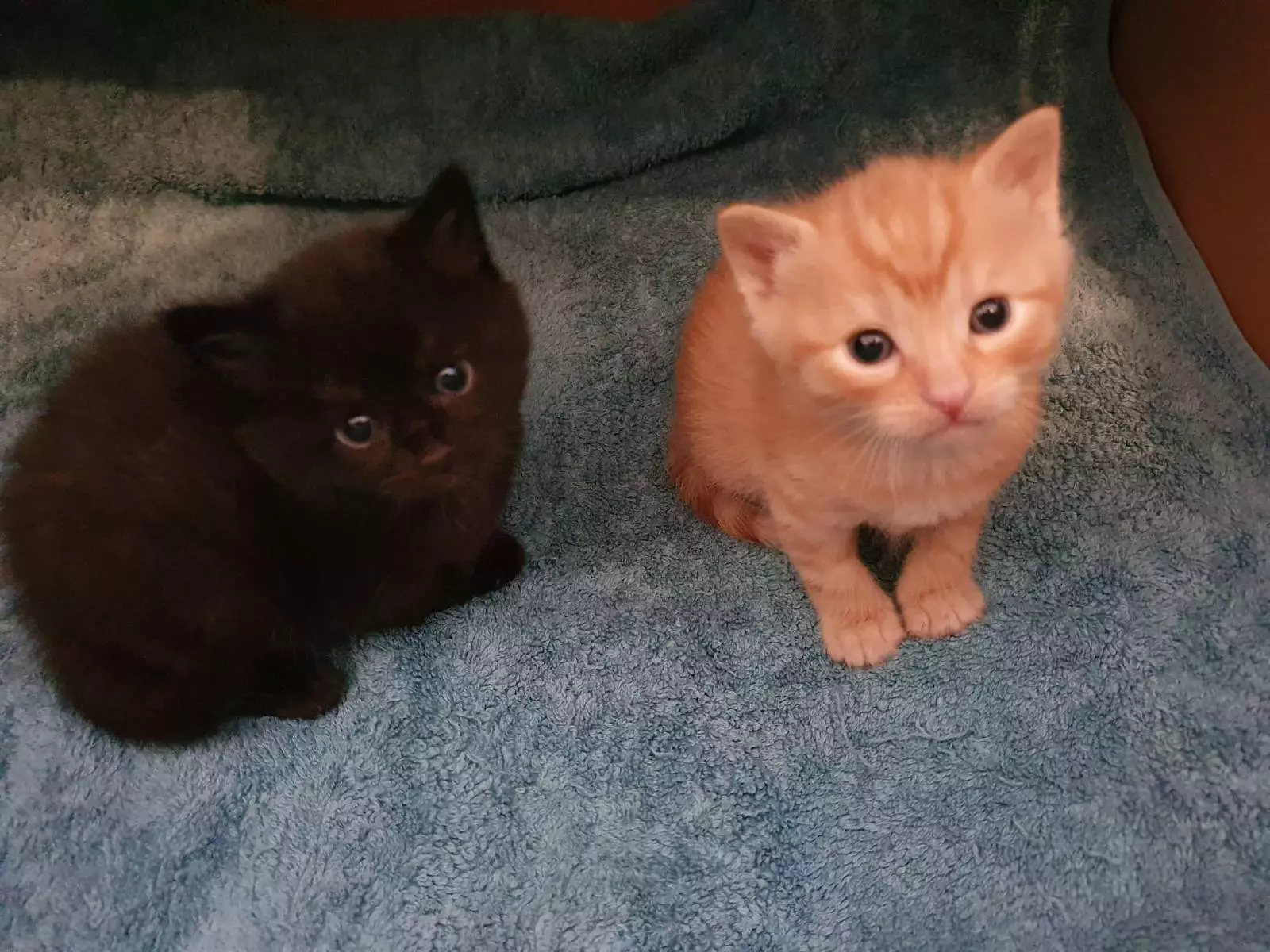
Every year, the feline world comes together on February 28 for World Spay Day, a crucial initiative aimed at promoting the spaying and neutering of cats. This event serves not just as a reminder but as a rallying cry for pet owners to understand the profound benefits of surgical sterilization. As society evolves, the importance of responsible pet ownership must be emphasized, and spaying or neutering plays a critical role in safeguarding our pets’ health and contributing to a more humane environment.
The Health Benefits of Spaying and Neutering
For many cat owners, the decision of whether to spay or neuter their pets can be clouded by myths and misconceptions. Yet, the medical facts speak volumes. Female cats who are spayed greatly reduce their risk of developing serious health conditions such as womb and ovarian cancers or infections like pyometra—a dire condition that can be fatal. Meanwhile, male cats also stand to gain significant health advantages by undergoing neutering; it diminishes their tendency to roam, thereby lowering the risk of injuries or diseases such as Feline Immunodeficiency Virus (FIV), often likened to HIV in human counterparts. Beyond health, neutered males are less likely to exhibit undesirable behaviors like indoor spraying, an unpleasant experience for owners.
Dispelling Common Myths
Despite the clear benefits, a surprising number of cats remain unneutered. In fact, the 2022 PDSA Animal Wellbeing (PAW) Report highlighted that over 1.2 million cats in the UK are still intact. This statistic raises a red flag, indicating a need for effective education on common myths associated with spaying and neutering. The notion that a female must experience a season before being spayed is entirely unfounded; females can be safely sterilized as early as four months of age. Furthermore, the belief that cats should have a litter before being neutered is both unnecessary and devoid of emotional merit.
Additionally, some pet owners argue against spaying due to concerns about invasive surgery. However, neutering is a routine, quick operation that most vets perform daily, with minimal discomfort and swift recovery times. The truth is, while it may seem intimidating to some, these procedures are performed to ensure the long-term health and happiness of pets.
Indoor Cats: Not Immune to Risks
One argument often cited against spaying involves the belief that indoor cats are safe from the risks associated with remaining unneutered. This oversimplification disregards feline tenacity; cats can be incredibly resourceful when it comes to escaping or getting into restricted areas. As many cat owners have discovered, the risk of unplanned pregnancies is anything but negligible. Spaying and neutering provide significant health assurances and reinforce responsible pet stewardship in a world where the consequences of overpopulation are painfully evident.
PDSA’s Role in Feline Welfare
The PDSA stands as a beacon of hope for countless pet owners grappling with the rising costs of veterinary care. Serving as the UK’s largest veterinary charity, it provides essential services for owners unable to afford treatments for their ailing pets. This stewardship is vital, especially when we recognize that nearly a quarter of adults in the UK own cats—amounting to over 11 million cats overall. With so many unneutered, the ongoing work of organizations like the PDSA is crucial in scaling back potential overpopulation and its associated suffering.
Spaying and neutering your pet is more than just a personal choice; it carries a societal responsibility that impacts countless lives. World Spay Day serves as a powerful annual reminder of the essential duty pet owners have to ensure not only the health of their cats but also the welfare of the larger community. As we educate ourselves and our fellow cat lovers, we can collectively foster a healthier, safer future for our feline friends.
