
As the cold winter months approach, cat owners often become attuned to changes in their pets’ behavior and well-being. Just as humans can experience seasonal shifts in mood and energy levels, cats can also feel the effects of winter. Recognizing and addressing these changes is crucial for maintaining your feline friend’s happiness and health. This article explores various strategies to ensure that your cat feels safe, cozy, and well-cared for during the winter.
Amid the freezing temperatures and icy winds, it’s imperative for pet owners to be vigilant about their cat’s health. The first step in winter preparation is a thorough check-up at the veterinarian. Regular visits can confirm that your cat is up-to-date on vaccinations and highlight any potential health issues that may be exacerbated by cold weather.
While cats can’t contract human colds, they are susceptible to upper respiratory infections and cat flu, which can present as sneezing, coughing, or eye discharge. If you observe any concerning symptoms, don’t hesitate to consult your vet. This proactive approach is especially important for senior cats, who may experience increased discomfort from arthritis during the colder months. Early diagnosis and treatment can significantly enhance their quality of life.
Creating a Comfortable Environment
Maintaining a warm and comfortable living environment is essential during winter. You can create inviting spaces for your cat by providing various cozy sleeping areas throughout your home. Strategically placing soft blankets, cushions, and even homemade nests can make a big difference in your cat’s comfort level.
Ensure that your cat’s favorite napping spots are away from drafts and cold windows. For an added touch, consider using woolen throws, which many cats find particularly soothing. As you prepare your home for winter, also consider fire safety measures, such as using protective gates around fireplaces to prevent your curious pet from getting too close to the flames.
With the change in season, your cat’s dietary needs may require adjustment. Cats tend to be less active in the winter, and therefore, they may require more calories to sustain their energy levels. It’s crucial to refer to your vet for advice on the best dietary adjustments. Foods formulated for kittens and senior cats can provide the right balance of nutrients to meet their specific needs during the colder months.
One important consideration is hydration; colder weather often leads to decreased water intake. A practical solution is to incorporate more canned food into your cat’s diet. Wet food not only provides hydration but also tends to be highly palatable, encouraging eating during winter when cats may feel less inclined to engage with their food.
Winter can be harsh on your cat’s skin and coat. As temperatures drop, the risk of dry, flaky skin increases, especially for indoor cats exposed to central heating. Regular grooming is vital. Using a brush followed by a steel comb for tangles can keep your cat’s coat in excellent condition and help you identify any skin issues early.
Additionally, inspecting and grooming the delicate areas between your cat’s paw pads is essential. Trimming excess fur can help prevent snow and debris from getting trapped, which can lead to discomfort or injury. Each breed may have different needs; long-haired cats, for instance, require more frequent brushing to prevent matting.
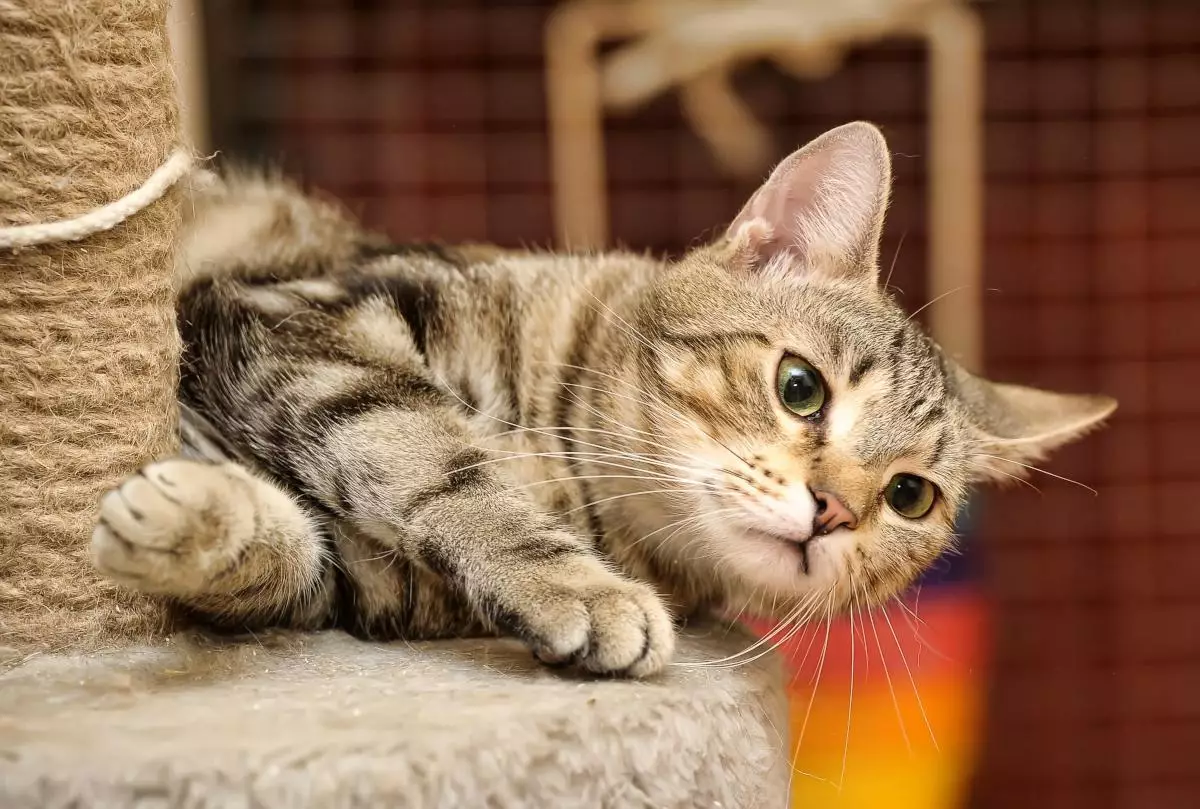
Cats, like us, can experience boredom during long winter months, especially if they are predominantly indoors. It’s essential to keep them mentally stimulated to prevent lethargy and potential behavioral issues. Investing in new toys, such as interactive puzzles and scratching posts, can encourage activity and mimic the hunting behavior that they are naturally inclined to.
Set up cat trees or perches by windows where your cat can watch the outside world. Engaging your pet with playtime not only nurtures their physical health but also reinforces the bond between you and your cat. Regular interactive sessions help keep your cat agile and emotionally balanced.
Keeping your cat happy and healthy through the winter months requires deliberate efforts and attention to detail. By recognizing potential health risks, providing a cozy environment, adjusting diets, and keeping grooming practices consistent, you can ensure your feline companion thrives during the colder seasons. As long as you remain vigilant and proactive in your care, your cat will not only stay healthy but will find joy in the warmth and safety of your home throughout winter.
