
Caring for our feline friends is a responsibility every pet owner gladly accepts. Among the various aspects of cat care, one area often overlooked is the health of their ears. Just like their charming personalities and playful antics, cats’ ears deserve attention and care. This article aims to provide a comprehensive overview of cat ear health and maintenance, highlighting the importance of regular checks and proper cleaning techniques.
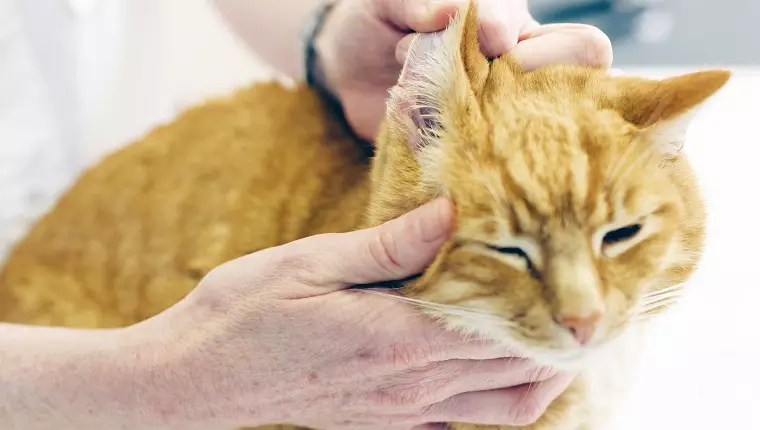
Firstly, it is crucial to understand what constitutes normal ear health in cats. A healthy ear should appear clean, dry, and free of any pain or discomfort. The skin inside and around the ear should be smooth to the touch and devoid of any scabs, sores, or discoloration. Regularly inspecting your cat’s ears can prevent potential issues from escalating into more serious health concerns. Look out for signs such as redness, swelling, or any unusual discharge. Noticing your cat scratching its ears excessively or tilting its head could indicate underlying problems that warrant a veterinary visit.
Ear diseases in cats can manifest in several ways, the most prevalent being ear mites. These microscopic pests thrive in a cat’s ear canal and can cause significant irritation, leading to symptoms like itchy ears, black or brown waxy discharge resembling coffee grounds, and sores around the ears. If you suspect your cat may have ear mites, don’t delay in consulting a vet. Swift treatment is vital, as ear mites can exacerbate to more serious conditions if left unattended.
Moreover, ear infections caused by bacteria, as well as allergies or even foreign objects lodged in the ear canal, can also be problematic. Understanding these common issues will empower you to take proactive measures in safeguarding your cat’s health.
When it comes to ear health, consulting with a veterinarian is non-negotiable. Often, these professionals provide not only accurate diagnoses but also recommend appropriate treatments tailored to your cat’s specific needs. Treatment can range from topical medications effective against ear mites to antibiotics for bacterial infections. Your vet can determine which solution is ideal, depending on the severity and cause of the ear condition.
In addition to medications, routine check-ups allow your vet to recognize any early signs of ear issues that could easily go unnoticed. This is why establishing a solid relationship with your veterinarian is crucial for your cat’s overall health.
For many cat owners, cleaning their pet’s ears can be a daunting task. However, regular cleaning, when necessary, can help support ear health. It’s essential to utilize safe methods while cleaning your cat’s ears to prevent injury, especially to the delicate ear drum. Many commercial ear cleaning solutions on the market can be effective, but always seek your vet’s guidance to choose the right product for your cat.
When cleaning, gently fill the ear canal with the solution and massage the base of the ear for a few seconds to loosen debris. Follow this by using a cotton ball to gently wipe away dirt and excess fluid. It’s crucial to avoid using Q-tips, which can cause injury or push debris deeper into the ear canal.
Creating a habit of routinely checking and maintaining your cat’s ears is paramount. Integrate ear checks into your regular grooming sessions—your cat will become accustomed to this care over time. If you notice any abnormalities or signs of discomfort, reach out to your veterinarian sooner rather than later. This diligence not only keeps your cat comfortable but also prevents potential health issues that could lead to more serious complications.
While we delight in our cats for their quirky antics and affectionate nature, caring for their health—specifically their ear health—must not be overlooked. Regular examination and appropriate cleaning are essential practices that will contribute greatly to your cat’s overall well-being. Your attention to detail and commitment to your pet’s health will ensure that those adorable, fuzzy ears remain in great shape for years to come!
