
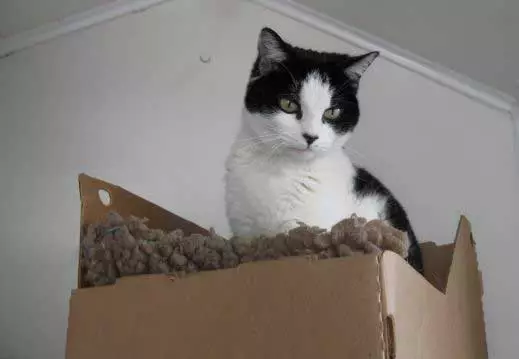
In today’s world, unowned cats represent a pressing concern for animal welfare organizations and communities alike. These are felines without designated guardians, often found living in precarious situations, such as on the streets or in shelters. To address this issue effectively, a holistic approach is essential—one that prioritizes the physical and emotional well-being of these cats while facilitating responsible adoption processes. International Cat Care has initiated a program called Cat Friendly Homing (CFH) within its broader Cat Friendly Solutions framework, specifically targeting the needs of unowned cats.
The CFH program is meticulously designed to navigate the complexities intrinsic to the care and adoption of unowned cats. Fundamentally, the initiative emphasizes a humane and efficient homing process that minimizes the time a cat spends in confinement, whether in a shelter or a foster home. Recognizing that prolonged confinement can lead to stress and health risks, CFH promotes the mantra that no cat should be worse off due to human intervention. This philosophy reinforces the importance of treating each cat as an individual, taking into account their unique needs, temperament, and health status.
One of the core operational tenets of the CFH program is to ensure that the period a cat spends in a homing center is as brief as possible. Extended stays in shelters can expose cats to the risk of infectious diseases and can be mentally taxing for them. In alignment with this goal, the program advocates for immediate neutering of all cats and kittens before they transition to new homes. This practice not only curtails the potential for future litters—which would contribute to the population of unwanted cats—but also promotes a healthier environment by reducing the number of homeless felines.
Crucially, the CFH program differentiates between cats suitable for homing and those that are better served by alternative solutions such as Trap-Neuter-Return (TNR). While various cats roam neighborhoods, not all are fit for domestic life. For instance, feral and street cats may thrive better in their community settings, where TNR can stabilize their populations and improve their quality of life without the pressure of adoption.
The identification of each cat’s suitability for homing demands a set of skills and knowledge that caregivers must acquire through training. This underlines the necessity for ongoing education, allowing caregivers to recognize health issues, assess behavioral indicators of distress, and implement effective measures to enhance the cats’ living conditions.
Caring for unowned cats within the homing system should adhere to a framework that focuses on both health and mental well-being. Every caregiver should possess the knowledge to support these cats, manage physical health challenges, and minimize stress. For instance, providing hiding boxes in cages is a small yet impactful adjustment that can significantly enhance a cat’s psychological comfort. Such adaptations affirm the belief that even in confinement, a cat’s mental well-being takes precedence.
The CFH initiative comprises three critical phases: Intake, Care, and Outcome—each reflecting a key stage in a cat’s journey toward finding a stable and loving forever home. During the Intake phase, cats are assessed and prepared for transition. The Care phase focuses on their immediate needs and overall well-being, ensuring that physical and emotional support is prioritized. Finally, the Outcome phase rejoices in successful adoptions and the hope for new beginnings.
The Cat Friendly Homing program embodies a compassionate response to the plight of unowned cats. It stands as a testament to the belief that with informed practices, vigorous care, and proactive community involvement, we can transform the lives of felines in need. This initiative not only seeks to improve individual cat lives but also serves as a catalyst for changing societal attitudes towards unowned cats. In essence, it encourages us to rethink our strategies in animal welfare, making significant contributions to a more humane future for our feline companions.
