
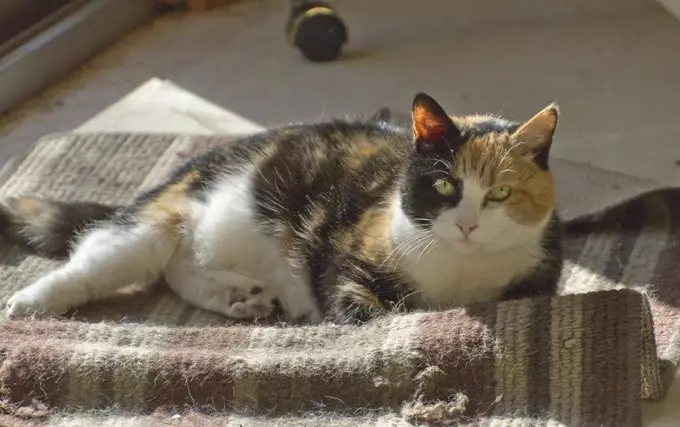
As cat owners, we cherish the companionship our furry friends offer. However, one of the challenges we often face is dealing with cat shedding, particularly during specific times of the year. While shedding is a normal part of a cat’s life, understanding its causes and knowing how to manage it can make a significant difference in our home environment and our pets’ well-being.
Shedding is a natural process for cats, as it serves various biological functions beyond merely responding to seasonal temperature changes. The shedding cycle is influenced by factors including the cat’s age, health, and environment. Indoor cats tend to shed throughout the year due to a stable climate, whereas outdoor cats typically exhibit increased shedding during spring as they begin the transition to warmer weather.
The primary reason behind shedding is to discard dead hair. This process helps maintain the health of a cat’s skin and coat, reducing irritation caused by hair that is no longer viable. However, while some shedding is normal, excessive fur loss can be an indication of underlying health issues that warrant investigation from a veterinarian.
It is crucial for cat owners to distinguish between normal shedding and excessive hair loss. Regularly observing your cat’s fur and skin can provide insight into their health. An abnormal increase in shedding—characterized by bald patches, changes in coat texture, or accompanying skin irritation—can indicate health problems that may range from nutritional deficiencies to more serious medical conditions.
Diet plays an integral role in the health of a cat’s coat. A diet lacking essential nutrients, particularly fatty acids, proteins, and vitamins, can lead to hair loss. Similarly, stress factors like changes in environment, illness, or even inter-cat jealousy can prompt increased shedding. Identifying the stressors in your cat’s life can play a significant role in mitigating excessive fur loss.
Certain medical conditions can exacerbate shedding. For instance, allergies are among the most common culprits and can stem from various sources, including environmental factors (like pollen or dust mites), food components, or even parasite bites. Distinguishing between these allergies often requires veterinary intervention.
Additionally, conditions such as hyperthyroidism and feline Cushing syndrome can lead to abnormal fur loss. Hyperthyroidism accelerates the metabolic rate and can result in weight loss alongside shedding, whereas Cushing syndrome presents with other symptoms like increased thirst and frequent urination. Cats undergoing treatments like chemotherapy may also display increased shedding, which usually resolves once therapy is complete.
Furthermore, benign or malignant growths such as granulomas can lead to shedding, and a veterinary biopsy is essential for accurate diagnosis. Regular health check-ups are essential to catch these issues early, making it crucial to stay vigilant about any changes in your cat’s shedding patterns.
For cat owners experiencing shedding challenges, there are proactive steps to take that can significantly alleviate the issue. Regular grooming is one of the easiest and most effective methods to cope with shedding. Brushing your cat 2-3 times a week can help remove dead fur, reducing the amount that ends up on furniture and clothing. Grooming also stimulates the skin and enhances overall coat health, making it a beneficial practice for both you and your feline companion.
Moreover, ensuring that your cat remains hydrated and receives a well-balanced diet rich in essential nutrients will support healthy skin and fur. This means paying attention to the ingredients in cat food and possibly consulting your veterinarian for dietary recommendations tailored to your cat’s specific needs.
Creating a stress-free environment is equally important. Providing comfortable spaces, interactive toys, and maintaining regular routines can contribute to a sense of safety for your pet.
While shedding is an inherent characteristic of cat ownership, understanding its root causes can help enhance the lives of both cats and their owners. By addressing dietary needs, minimizing stress, and implementing a regular grooming routine, you can create a healthier living environment for your pet. With consistent care and attention, shedding can become a manageable aspect of your cat’s life—and yours. Ultimately, it’s about maintaining a deep bond with our feline friends while navigating the challenges that come along with keeping them happy and healthy.
