
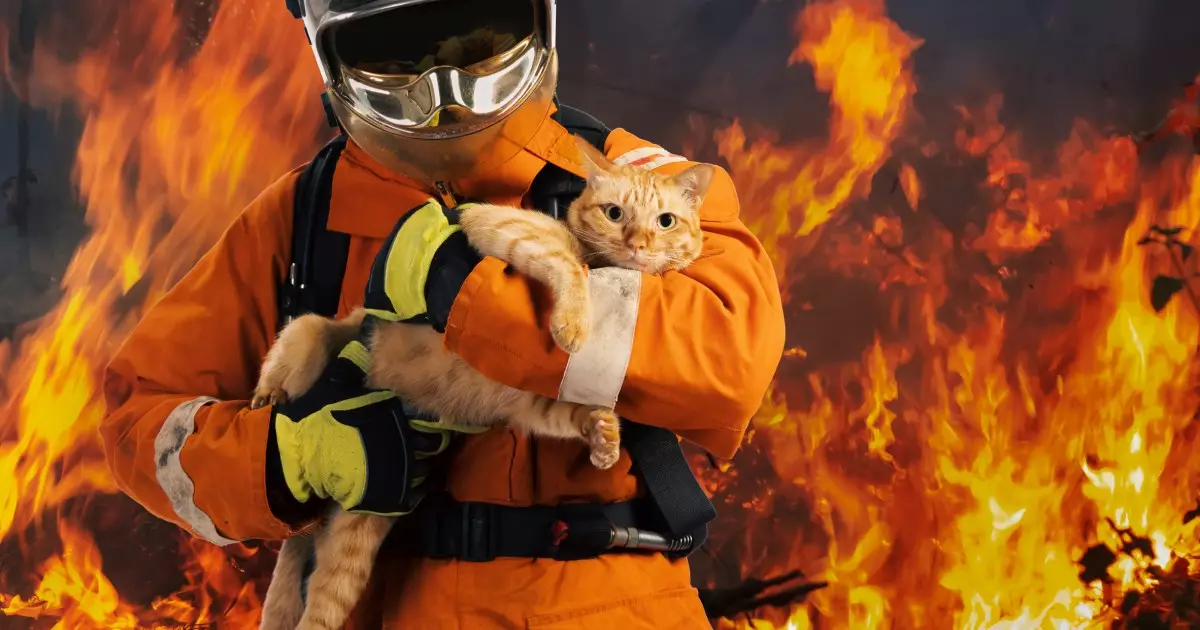
As summer ushers in rising temperatures and prolonged dry spells, the threat of wildfires becomes increasingly prominent. With reports from sources like Reuters indicating that Canada is facing its most devastating wildfire season on record, the environmental ramifications are alarming. Wildfires are not just issues local to specific regions; they represent a global crisis exacerbated by climate change. In this urgent scenario, it is crucial to discuss the implications that wildfire smoke poses not only to humans but to our pets, particularly our beloved cats.
Wildfire smoke is a complex mixture of gases and fine particles that can inflict serious harm to respiratory health. A study conducted by experts, including Olivia Sanderfoot from UCLA, emphasizes that animals, including cats, require clean air to thrive. If their environment is laden with toxic smoke and harmful particulates, we can expect dire health consequences. Just as humans suffer from respiratory ailments during smoke exposure, cats also face acute and chronic health risks.
Cats possess delicate respiratory systems, which can be compromised by inhalation of fine particulate matter originating from smoke. The potential for immediate irritation or long-term respiratory issues makes it imperative for pet owners to recognize the signs of smoke exposure and understand preventive measures.
Identifying Warning Signs
As responsible cat owners, it is imperative to carefully monitor our pets for any signs of discomfort or health changes during wildfire seasons. Here are some critical symptoms that indicate a cat may be suffering from smoke exposure:
– **Coughing and Wheezing:** These are often the first signs that a cat may be experiencing respiratory trouble. Persistent coughing or wheezing sounds when they breathe should never be overlooked.
– **Sneezing and Watery Eyes:** Frequent sneezing, coupled with irritated eyes, can indicate irritation due to airborne pollutants.
– **Breathing Difficulties:** Keep an eye out for rapid, shallow, or labored breathing — all signs of potential respiratory distress.
– **Behavioral Changes:** A noticeable decrease in activity or a sudden drop in appetite can result from discomfort or respiratory issues due to smoke exposure.
– **Increased Grooming:** Cats may excessively groom themselves or paw at their faces when they are feeling uncomfortable due to smoke particles.
Recognizing these signs timely can significantly impact the outcome of health complications that may arise from prolonged exposure to smoke.
Although completely shielding cats from wildfire smoke can be a formidable challenge, taking proactive measures can significantly reduce their risk of exposure. Here are some practical strategies that cat owners can implement:
1. **Indoor Safety:** Keeping your cat indoors is paramount. Close all windows and doors to block smoke from entering your home. Simple measures such as placing towels at door sills can create further barriers.
2. **Air Quality Management:** Invest in high-quality air purifiers with HEPA filters to minimize smoke particles inside your house. Position these devices in the areas where your cat spends the most time, ensuring they can breathe as clean an air as possible.
3. **HVAC Adjustments:** If you have an air conditioning unit, set it to recirculate indoor air to prevent harmful external pollutants from being drawn inside.
4. **Designated Safe Rooms:** Consider designating a “safe room” solely for your cat. Equip this space with necessary amenities and air purification systems for optimal air quality.
5. **Stay Indoors During High Smoke Conditions:** Avoid outdoor activities with your cat during periods of heavy smoke or poor air quality. Keeping them indoors significantly diminishes exposure risks.
6. **Hydration is Key:** Ensure that your cat has constant access to fresh, clean water. Proper hydration is essential to maintaining respiratory health and flushing out any potential irritants they may have ingested.
7. **Consult Your Veterinarian:** Should you notice any symptoms of smoke irritation in your cat, seek veterinary advice immediately. Professionals can offer specific treatment options and guidelines tailored to your pet’s needs.
As wildfires continue to escalate in frequency and severity due to climate change, safeguarding our pets, particularly cats, becomes a pressing issue. By understanding the detrimental impact of wildfire smoke, recognizing the warning signs, and implementing effective protective measures, pet owners can provide a safer environment for their beloved feline companions. Prioritizing our pets’ health during these perilous conditions not only preserves their well-being but also strengthens the bond we share with them during these uncertain times. By staying informed and prepared, we can navigate the challenges posed by wildfires and continue to nurture the health and happiness of our treasured fur babies.
