
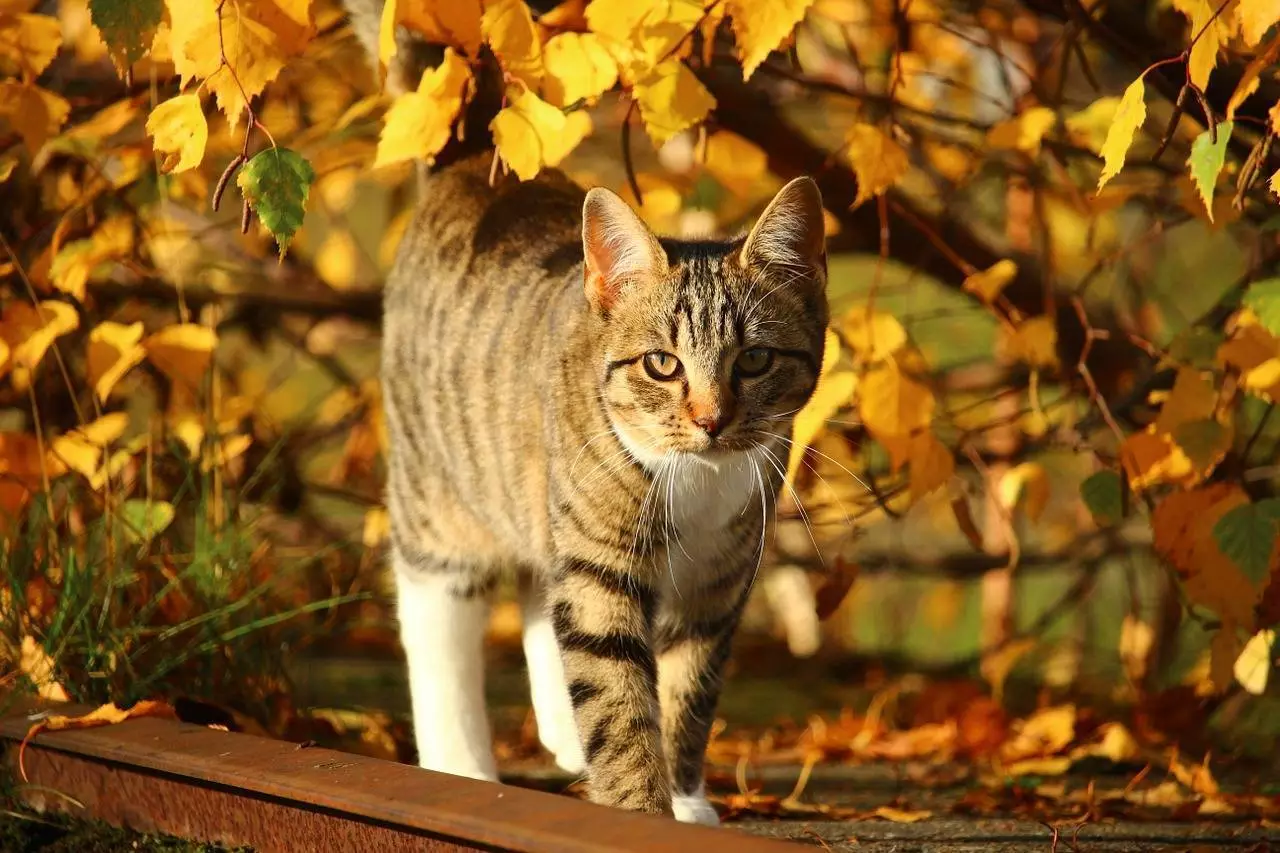
As summer gracefully bows out and autumn makes its entrance, pet owners have the unique opportunity to relish the stunning transformation of nature. The lush green canopy above begins to transmute into a panoramic painting of reds, oranges, and yellows. Yet, amidst the beauty of falling leaves and cooler breezes, lies the necessity for vigilance when it comes to protecting our furry companions. The transition of seasons not only signifies a change in weather and scenery but also ushers in a host of environmental dangers that can jeopardize our pets’ health.
With the crisp autumn air beckoning both pets and their owners outside, it’s essential to recognize the innate curiosity that drives animals to explore. Pets, particularly dogs, may be tempted to forage for new scents and items on their adventures. “Our four-legged companions thrive on discovery; it’s part of their nature,” warns PDSA Vet Nurse Nina Downing. This exploratory behavior reinforces the importance of educating ourselves on potentially hazardous plants and substances that could lead to distress or serious health issues.
The changing season introduces a variety of flora that can be toxic to pets. Recognizing these plants can be crucial in averting health crises. Here are a few well-known toxic plants that pet owners should be especially cautious of:
– **Acorns:** These small nuts, often found under oak trees, contain tannic acid that can upset a pet’s stomach, leading to symptoms such as vomiting and diarrhea. Unripe acorns are particularly dangerous as they contain higher levels of tannins which can cause serious kidney and liver damage. Additionally, they present a risk of gastrointestinal blockages if ingested.
– **Yew Trees:** Almost every component of the yew plant, including its reddish berries, is deadly to pets. Just a few leaves can pose serious health risks. Owners should be vigilant in keeping their pets away from areas such as churchyards where yews are commonly planted.
– **Horse Chestnuts:** While beloved by children for conker games, horse chestnut trees aren’t harmless. All parts of the tree—bark, leaves, flowers, and conkers—contain aesculin, a toxic chemical detrimental to pet health. Dogs that consume these can experience severe reactions, including digestive disruptions.
– **Autumn Crocuses:** Unlike their spring cousins, autumn crocuses are not only beautiful but highly toxic. Their pale mauve flowers can entice curious pets, yet ingesting any part of the plant can result in dire symptoms, from drooling and bloody diarrhea to liver and kidney failure. Immediate veterinary consultation is advised if ingestion occurs.
Understanding the risks is but one part of responsible pet ownership; proactive measures must be taken to safeguard against these hazards. During outdoor excursions in autumn, pet owners should keep a vigilant watch over their four-legged friends. Familiarizing oneself with local flora can help inform safer walking routes and areas where pets can safely explore.
For those with particularly curious or snack-happy pets, additional precautions may be prudent. Consider training your dog to wear a basket muzzle during walks, especially in unfamiliar or litter-prone areas. This can serve as an effective deterrent against ingesting harmful substances.
Even with the best preventative measures, accidents can happen. Awareness of symptoms is critical. Signs that your pet may have ingested something toxic include vomiting, diarrhea, excessive shaking, and difficulty breathing. Even if your pet appears to be fine, if there’s a suspicion of ingestion, contact your veterinarian immediately. Quick response can be instrumental in preventing serious complications.
As autumn unfurls its beautiful tapestry, pet owners bear the responsibility of ensuring their companions navigate this enchanting season safely. By staying informed about potential hazards, maintaining vigilance during outdoor activities, and knowing how to respond in emergencies, we can enjoy the magnificence of fall without compromising the health and wellbeing of our pets. For further information on season-specific safety tips, resources like the PDSA provide invaluable guidance to promote the wellbeing of pets across the UK.
