
The heart-wrenching issue of animal abandonment is reaching unprecedented levels, as recent statistics from the RSPCA reveal a disconcerting trend. As 2023 approaches its conclusion, reports of abandoned animals have skyrocketed, with the charity documenting over 17,838 incidents by the end of October alone. This alarming figure suggests that, if the trend persists, the total number of abandonment reports could soar to an estimated 21,417 by the end of the year. This stands in stark contrast to the total reported cases in 2020, which was already a troubling 16,118. Such a statistic implicates a staggering 32.9% increase in abandonment cases, highlighting a growing crisis that cannot be ignored.
In a month alone—October—the RSPCA received approximately 1,800 reports of animal abandonment, a grim record surpassing the figures recorded during the same month in previous years. Particularly distressing is the insight that these figures reflect a 48.1% increase from the 1,215 abandonment incidents reported in October of 2020, exacerbating concerns around animal welfare as we approach the bleak winter months.
The RSPCA attributes this increase in abandonment cases to a complex interplay of factors, including the socio-economic pressures stemming from the ongoing cost of living crisis and a rise in pet ownership driven by the COVID-19 pandemic. The result has been described as a “perfect storm” for animal welfare, forcing many pet owners to make heartbreaking decisions regarding their pets. As financial burdens rise, more individuals find themselves ill-equipped to provide for their furry companions, culminating in tragic outcomes for countless animals.
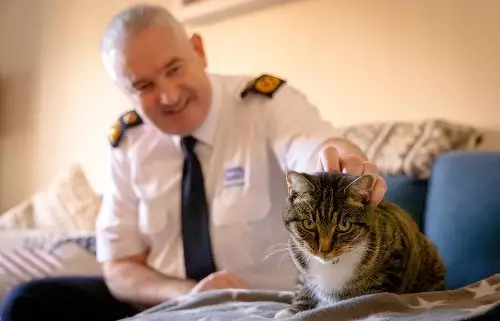
Dermot Murphy, the RSPCA’s inspectorate commissioner, expressed deep concern about these daunting statistics, particularly noting the impending winter. He affirmed the organization’s commitment to aiding vulnerable animals, acknowledging that the alarming climb in abandonment calls puts significant pressure on rescue services. The harsh reality is that many animal rescue centers are reaching capacity, which will further strain resources during the busiest time of year for these organizations.
Profiles of Resilience: Stories of Rescue and Hope
Amid this bleak portrait, there exist stories that embody hope and resilience. Two remarkable cats, Sheila and Stella, serve as prime examples of the transformative power of rescue efforts. Found in dire conditions—hungry, underweight, and left in filthy surroundings—these cats were on the brink of despair. Yet their tale took a heartwarming turn when RSPCA inspector Amy Pellegrini arrived to rescue them.
Pellegrini discovered Sheila and Stella after receiving an urgent call about their plight. She described how the cries from the cats were a poignant reminder of their desperate situation. With swift action, she provided immediate nourishment and secured their safety, paving the way for a brighter future. Ultimately, these two cats found a forever home where they could thrive, just one of many stories reflecting the profound impact of rescue organizations.
The RSPCA has stood as a guardian for animal welfare for nearly two centuries, earning a reputation for compassion and expertise. However, the recent surge in abandonment cases amplifies the urgency of community involvement. Dermot Murphy’s plea for increased support serves as a critical reminder that, without widespread engagement from animal lovers, the organization will struggle to meet the escalating demands for assistance.
As the holiday season approaches, the RSPCA has emphasized the need for initiatives such as “Join the Christmas Rescue.” Such campaigns aim to mobilize community members to contribute resources and donations, especially as rescue teams prepare for an unprecedented influx of abandoned animals this winter. The collaborative effort between the public and welfare organizations can help ensure that the needs of animals in distress are met.
As the alarming trend of animal abandonment continues to cast a shadow over society, it is imperative that we reflect on our responsibility as caretakers of vulnerable lives. The rise in abandonment is not merely a statistic—it represents the silent suffering of countless animals who desperately seek shelter and companionship. It is a call to action for individuals and communities alike to engage with local animal welfare organizations and take meaningful steps towards preventing animal suffering.
We must consider the long-term implications of pet ownership, emphasizing responsible care and making informed decisions before welcoming an animal into our homes. By fostering a culture of compassion and awareness, we can work collectively to turn the tide on abandonment and provide the care that every creature deserves. Together, we have the power to transform lives and rekindle hope in a world that desperately needs it.
