
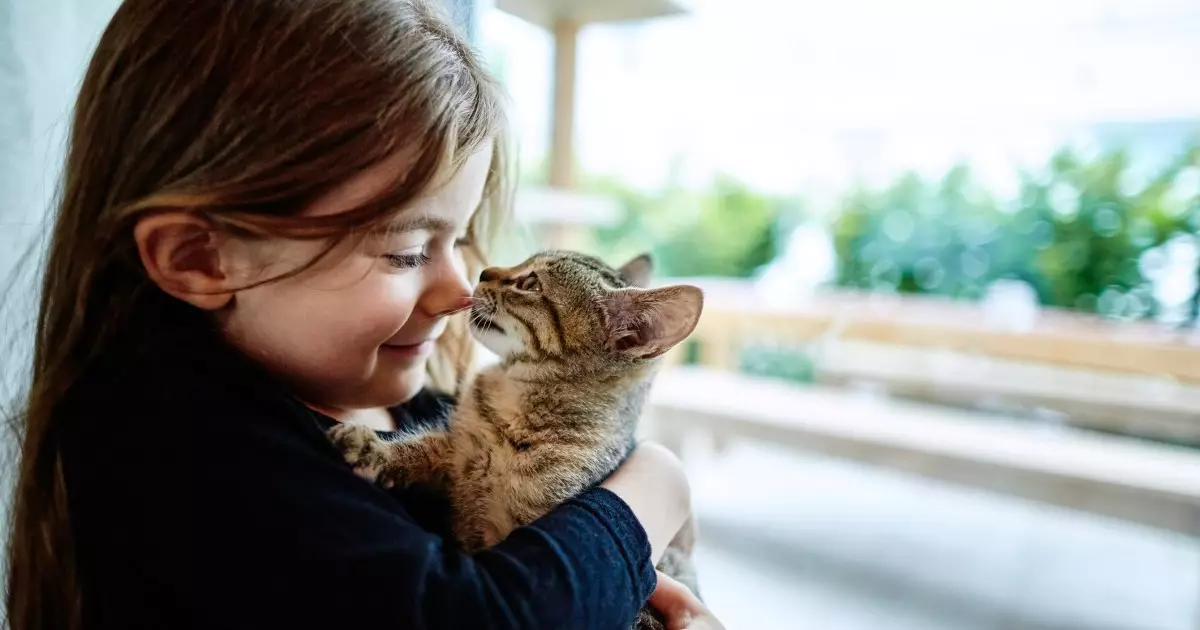
Cats have an undeniable charm that endears them to both adults and children alike. Their playful spirit, combined with a gentle demeanor, creates an environment in which children can thrive emotionally and socially. As companions, cats offer a wealth of benefits that extend far beyond their cute antics and soft fur. In this article, we will delve into various aspects of how feline friends can profoundly impact children’s development and overall well-being.
At the heart of cat ownership lies the bond that forms between a child and their furry friend. Cats uniquely provide unconditional love, often curling up beside their little humans during both good and tough times. This companionship serves as a foundation for emotional security. Children often turn to their pets for solace, sharing secrets, feelings, and fears without fear of judgment. Such interactions can foster resilience, helping kids navigate their emotions more effectively.
Moreover, the presence of a cat has a calming effect on children. Petting a cat can stimulate the release of oxytocin, a hormone that promotes feelings of love and bonding. This soothing interaction can significantly reduce stress levels, offering a perfect remedy after a long day of school or play. Cats can be a child’s safe haven, teaching them that they are never truly alone, even in their darkest moments.
While cuddles and companionship are wonderful, the responsibility that comes with cat ownership is another critical aspect of child development. Caring for a cat requires tasks such as feeding, grooming, and regular veterinary check-ups. These activities instill a sense of duty in children and teach them the importance of caregiving. Understanding that they are responsible for another life encourages accountability and reliability, qualities essential for their future interactions both personally and professionally.
Even mundane tasks, like cleaning the litter box or filling a food bowl, provide children with valuable life skills. They learn about routine, dependability, and the significance of following through on commitments. As kids grow older, these foundational responsibilities prepare them for more complex tasks in adulthood.
Interactions with a cat can also enhance a child’s understanding of empathy and social behavior. Cats, known for their unique personalities, offer lessons in recognizing individual differences. Children develop the ability to tune into a cat’s moods, learning to interpret their body language and vocalizations. This practice can enrich their understanding of non-verbal communication in humans as well.
Moreover, witnessing a cat’s affection can inspire children to be affectionate and caring, mirroring the relationship they have with their furry companions. This can also translate into real-world interactions, helping children relate more sensitively to their peers, fostering friendships, and understanding the perspectives of others.
Boosting Language Development
Interestingly, children who grow up with cats often engage in conversations with them, narrating their daily experiences or sharing their imaginative tales. Such dialogues can significantly boost language development and strengthen communication skills. This practice encourages children to articulate their thoughts and feelings more clearly, helping them develop a richer vocabulary.
Additionally, talking to pets can alleviate shyness, as children often feel more comfortable expressing themselves to their furry friends than to adults or peers. This creates a nurturing environment for language acquisition, fostering confidence in speaking and storytelling.
Cats are often independent creatures and instinctively know when they want to be left alone. Children learn to recognize and respect this need for privacy, which is an essential aspect of healthy relationships. Understanding boundaries opens discussions about consent and co-existing respectfully with others, both human and animal.
Moreover, cats can embody the virtue of patience. For instance, when a child is overly energetic, a cat may retreat to a quieter space. Learning to wait for the right moment to engage a cat can teach youth the importance of timing and consideration—a valuable lesson for navigating social situations.
The relationship between children and cats goes beyond immediate benefits; it fosters lasting memories and bonds that can last a lifetime. From silly antics to cozy snuggles, these shared experiences often become treasured stories that children recount in later years. The bonding moments between kids and their feline friends provide a rich tapestry of joy and laughter that shapes their childhood.
Introducing a cat into a child’s life is not just about adding an adorable pet to the family; it’s about enriching their developmental journey in multiple ways. From promoting emotional well-being and responsibility to enhancing empathy and communication skills, cats play a multifaceted role in children’s lives. These charming creatures are not just pets but invaluable companions that leave a lasting impact and enrich the heart, mind, and soul of every child fortunate enough to grow up with them.
