
In recent years, the landscape of cat food has undergone a remarkable transformation, evolving from basic kibble and canned options to a diverse array of specialized diets tailored to meet the needs of our feline companions. With terms like “natural,” “organic,” and “human-grade” becoming commonplace on pet food labels, it’s essential for cat owners to decipher what these labels mean and how they impact their pet’s health. This article aims to guide feline guardians through the intricacies of cat nutrition, helping them make informed choices that truly benefit their furry friends.
At the core of cat nutrition lies a fundamental truth: cats are obligate carnivores. This biological characteristic mandates that a significant portion of their diet must consist of meat for them to thrive. Therefore, when selecting cat food, the first step is to scrutinize the ingredient list. Ideally, the first two ingredients should include identifiable sources of animal protein, such as chicken, beef, or fish. A diet lacking in quality protein sources can lead to nutritional deficiencies that may affect your cat’s overall health and vitality.
While the marketing terms “natural,” “organic,” and “human-grade” can be enticing, it’s crucial to understand that these phrases often lack regulatory standards in pet food. The U.S. Food and Drug Administration (FDA) has not established a definitive definition for “natural,” leaving it open to interpretation by manufacturers. Generally, it signifies the absence of artificial additives, yet this does not guarantee superior quality ingredients. Similarly, the term “organic” does not ensure that every ingredient adheres to strict organic farming practices; companies might be leveraging this terminology to captivate health-conscious consumers.
The term “human-grade” is perhaps the most misleading. The designation indicates that food is produced in facilities that meet human food safety standards, yet very few pet food brands can truly claim this due to the stringent requirements involved. To avoid being misled, it is advisable for pet owners to reach out directly to companies to inquire about such claims and ensure they genuinely reflect the quality of the product.
It’s not just enough for cat food to have appealing labels; it needs to be nutritionally sound. Look for products that specify they have undergone AAFCO (Association of American Feed Control Officials) feeding trials. These trials offer a benchmark, indicating that the food was tested on cats for a designated period and deemed to provide adequate nutrition. Manufacturers who invest in these trials demonstrate a commitment to delivering diets that effectively support feline health.
The debate over the merits of dry versus wet cat food is ongoing. Each type brings its advantages and can appeal to different pet owners’ lifestyles and their cats’ preferences. Canned food contributes significantly to a cat’s hydration, a crucial factor since cats naturally have a low thirst drive. Moreover, it tends to have higher protein levels, keeping your feline companion satisfied and nourished.
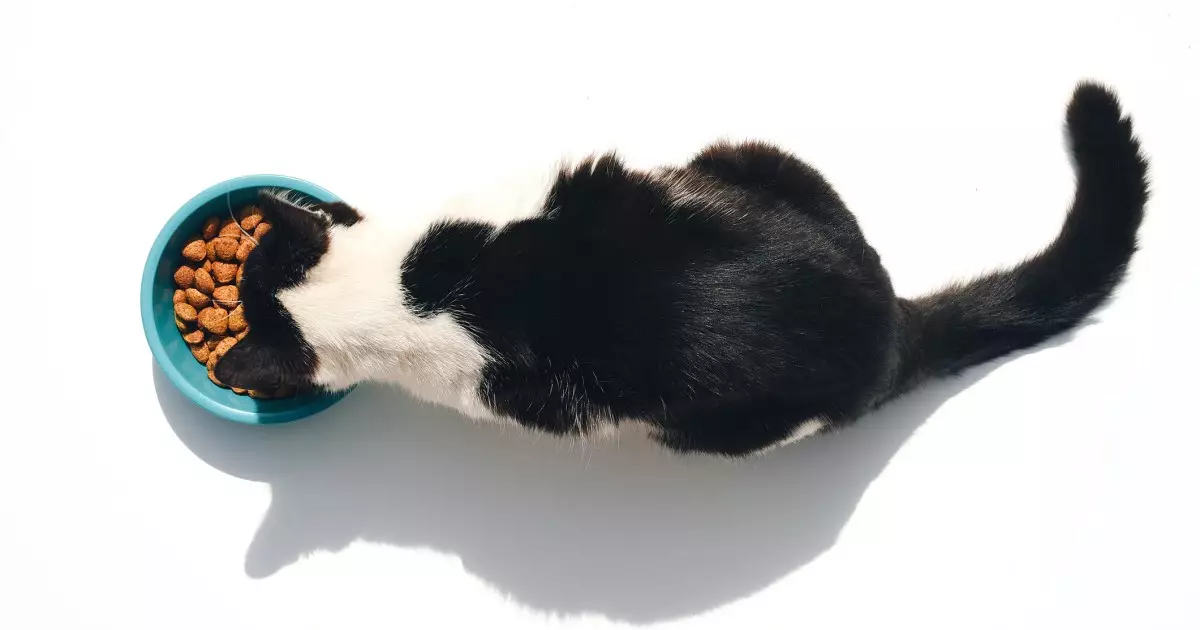
On the other hand, dry food is perhaps more convenient and cost-effective. Many owners find that kibble can be an excellent treat or can serve as part of a feeding puzzle, promoting mental stimulation and physical activity. A combination of both may offer the best of both worlds, enhancing dietary variety while ensuring adequate hydration and nutrition.
Ultimately, the most effective way to judge the appropriateness of a cat food is through observing your cat’s physical condition and demeanor. Healthy cats boast shiny coats, clear eyes, energetic behaviors, and fresh breath. If you notice any changes in your cat’s appearance or mood, reconsidering your choice of food may be warranted. Engage with your veterinarian to discuss potential dietary adjustments that align with your cat’s individual needs.
Navigating the world of cat nutrition can seem daunting, but understanding fundamental concepts about your cat’s dietary requirements and ingredient quality will empower you as a pet owner. With the right knowledge, you can provide a nourishing diet that supports your cat’s health and happiness for years to come.
