
Spaying female cats is a crucial step in responsible pet ownership that goes beyond merely preventing unwanted litters. As highlighted by veterinary professionals like Nina Downing, a PDSA Vet Nurse, the procedure involves the removal of the ovaries and often the uterus. This surgical intervention serves a double purpose—curtailing the possibility of unwanted pregnancies while simultaneously mitigating the risk of potentially life-threatening conditions such as uterine infections and reproductive cancers. The nuances surrounding spaying highlight not just the convenience of fewer kittens but also the broader implications for the health and longevity of female cats.
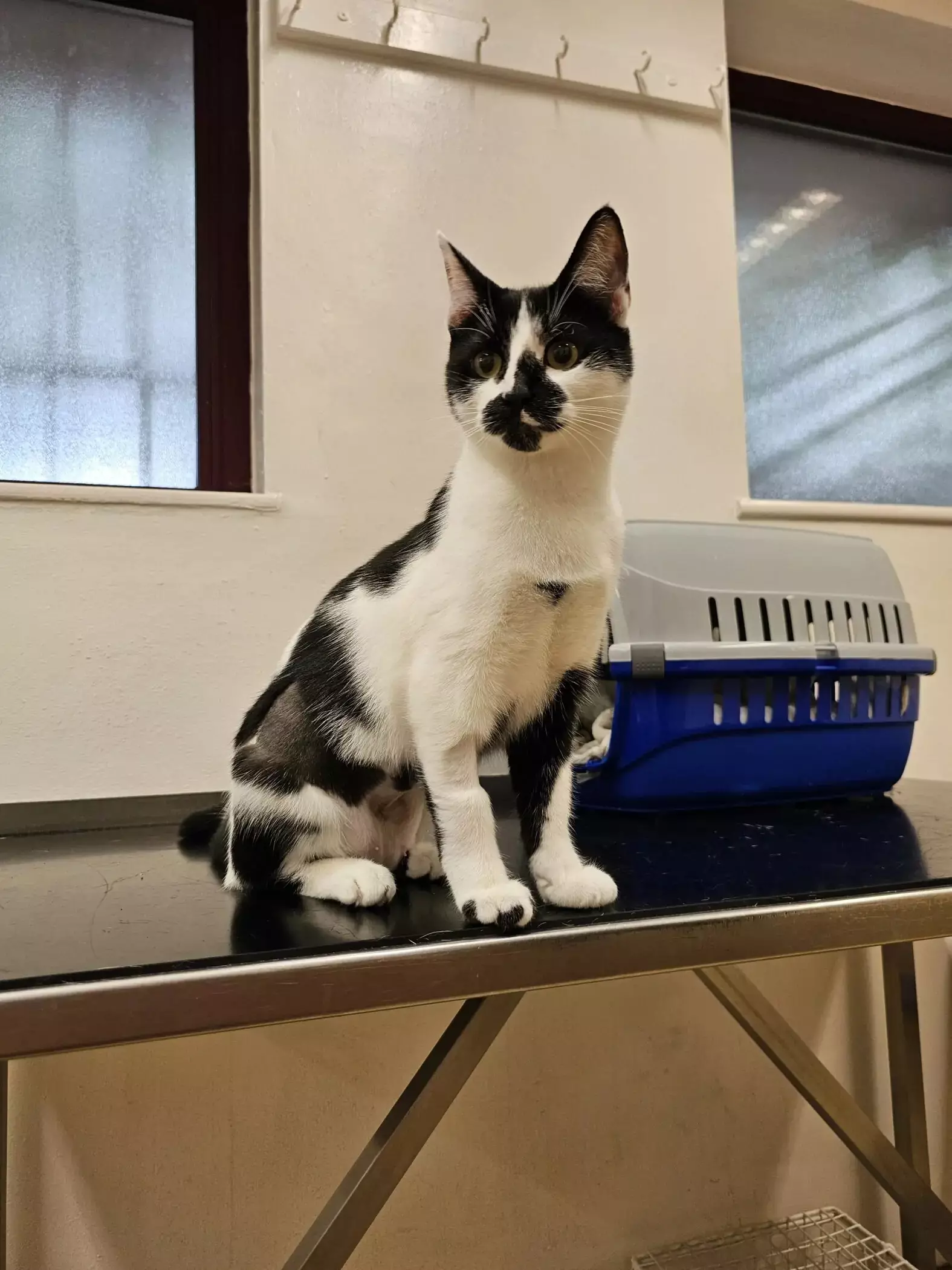
Consider the case of Olive, a vibrant one-year-old cat whose story underscores the urgent necessity of spaying. Olive was suddenly plunged into a life-threatening situation, demonstrating symptoms that alarmed her owner, Marie. Typically a lively and affectionate feline, Olive’s sudden behavioral shift—characterized by restlessness and unusual discharge—signaled an urgent issue. Such changes should always prompt immediate veterinary consultation, as they could be indicative of serious underlying health conditions.
Marie’s daughter, Tiffany-Rose, played a pivotal role in recognizing the changes in Olive’s behavior. This serves as a reminder that pet owners must remain vigilant about their pet’s health, as subtle shifts in demeanor can signify major health concerns. The rapid response by both Tiffany-Rose and Marie to contact their local veterinary team facilitated a swift diagnosis—illustrating how crucial early detection can be in preventing more severe health issues.
Upon arrival at the PDSA Pet Hospital, Olive was subjected to thorough examination and diagnostic imaging. It was discovered that she was suffering from pyometra—a serious bacterial infection of the uterus that can escalate to life-threatening sepsis if left untreated. The symptoms Olive presented—abdominal discharge, increased thirst, and altered energy levels—are common indicators of this grave condition, particularly among non-neutered female cats.
This diagnosis serves not only as a wake-up call for Olive’s family but for pet owners everywhere. Understanding the signs of pyometra and other reproductive health issues can significantly impact the prognosis and outcome for our beloved pets. The relationship between spaying and the prevention of these dangerous conditions cannot be overstated.
The Role of Veterinary Care
The action taken by the veterinary staff at PDSA, including administering fluids, antibiotics, and pain relief ahead of emergent surgery, illustrates the importance of immediate veterinary intervention in crises like this. Prompt medical attention can be the defining factor in the survival and recovery of pets suffering from severe conditions. Olive’s surgery was a success, reflecting the need for accessible and effective veterinary care for all pets.
Moreover, the emotional strain experienced by pet owners like Marie during such crises is significant. The reassurance provided by veterinary professionals is invaluable. The PDSA staff not only treated Olive but also eased the worries of her family, a quintessential aspect of veterinary medicine that intertwines compassionate care with professional expertise.
Reflecting on Pet Health and Responsibility
Ultimately, Olive’s case highlights a broader narrative about the responsibility inherent in pet ownership. By choosing to spay their cat, pet owners can drastically reduce the risk of such life-threatening situations. Spaying leads to fewer behavioral complications and promotes long-term health benefits. For Olive, the successful operation and subsequent recovery were not just serendipitous; they were the product of informed decisions made by her family coupled with high-quality veterinary care.
Spaying is not merely a surgery; it is a life-preserving decision that enriches the lives of pets and their owners alike. By being conscientious and proactive about their pet’s health, owners can prevent distressing emergencies and ensure their furry companions lead long, healthy lives. Let Olive’s experience serve as a reminder of the critical importance of spaying and how it serves as an integral aspect of responsible pet ownership.
