
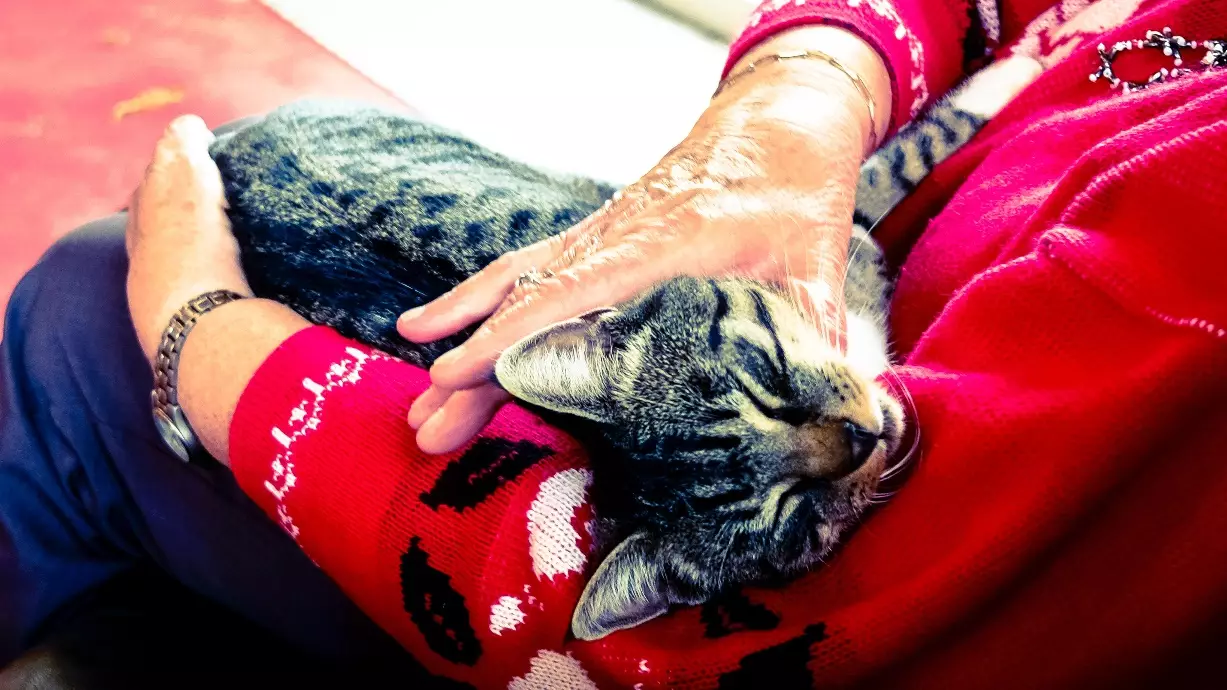
The bond between humans and their pets, especially cats, has been a subject of fascination for centuries. As our society becomes increasingly aware of the psychological and emotional benefits that come from this relationship, organizations dedicated to understanding and promoting these interactions have emerged. Among them, the Society for Companion Animal Studies (SCAS) stands out by conducting research that highlights how companion animals can alleviate feelings of loneliness and social isolation, especially in vulnerable populations. Prominent among these populations are older adults, who often experience heightened loneliness due to its physical health ramifications and life transitions.
Recent surveys provide compelling evidence supporting the idea that pets significantly enhance mental well-being. For instance, a study from 2021 revealed that 87% of US pet owners acknowledged that their pets positively impacted their mental health. This suggests a strong correlation between pet ownership and psychological resilience. As isolation becomes an increasingly prevalent issue, particularly among senior citizens, understanding how fostering relationships with pets can help mitigate this is crucial.
Fostering Cats: A Novel Solution for Older Adults
Despite the undeniable benefits of pet ownership, many older adults grapple with the long-term commitment a pet entails. The fear of a younger pet outliving them or the concern about the costs related to care can create barriers to adoption. This is where fostering can serve as a more viable and less daunting alternative. A recent study spearheaded by researchers at the University of Georgia and Brenau University aimed to explore the benefits of cat fostering specifically among older adults living alone.
This project highlighted that fostering a shelter cat instead of adopting one might alleviate the anxiety associated with long-term commitment. Participants were recruited to foster shelter cats with the promise of comprehensive support throughout the experience. They were equipped with necessary supplies and received regular check-ins and veterinary care. This setup ensured that both cats and their caregivers were monitored for well-being.
The study’s findings were groundbreaking. Participants completed health surveys before and after fostering the cats, allowing researchers to gauge the impact of cat companionship on their feelings of loneliness and general mental health. At the four-month mark, loneliness scores showed a significant improvement after participants began fostering. Notably, mental health also exhibited a corresponding upward trend, showcasing the transformative power of fostering an animal.
The psychological resilience fostered through cat care cannot be overstated. Additionally, nearly all (95.7%) of the older adults chose to adopt their foster cats following the study, indicating a profound connection formed during the fostering period. This co-dependence not only benefitted the older adults but also provided a loving home for the shelter cats that would otherwise have remained in the system.
Dr. Don Scott, a key collaborator in the research, emphasized the critical need for innovative strategies to combat social isolation among older adults. The study illuminated how dismantling the perceived barriers associated with pet ownership—such as adoption fees and the cost of ongoing care—can create opportunities for companionship. By supporting these older individuals in fostering cats, caregivers can create a fulfilling symbiosis beneficial to both humans and animals alike.
Dr. Sanderson also pointed out that fostering programs can be an invaluable resource. By facilitating the interaction between older adults and pets while removing financial and logistical hurdles, foster care can become a pathway to healthier living. This research not only reinforces the efficacy of fostering in enriching human lives but also addresses the urgent need for shelter cats to find homes.
The Broader Implications
The implications of this study extend beyond just individual well-being; they represent a larger movement towards recognizing the role of pets in enriching human life. As society grapples with ever-increasing reports of loneliness—especially among older adults—it becomes imperative to implement and promote Pet Fostering Programs. These initiatives not only enhance the lives of older adults but also encourage community involvement while providing love and care for animals in need.
The bond formed through fostering cats could change the narrative of loneliness for older adults. As further research emerges on the benefits of animal companionship, fostering programs could prove to be a cornerstone solution for improving mental health and fostering community connections. The time is ripe for recognizing and incorporating the therapeutic joys of pet companionship into the fabric of care strategies for seniors, ensuring a sounder, happier society overall.
