
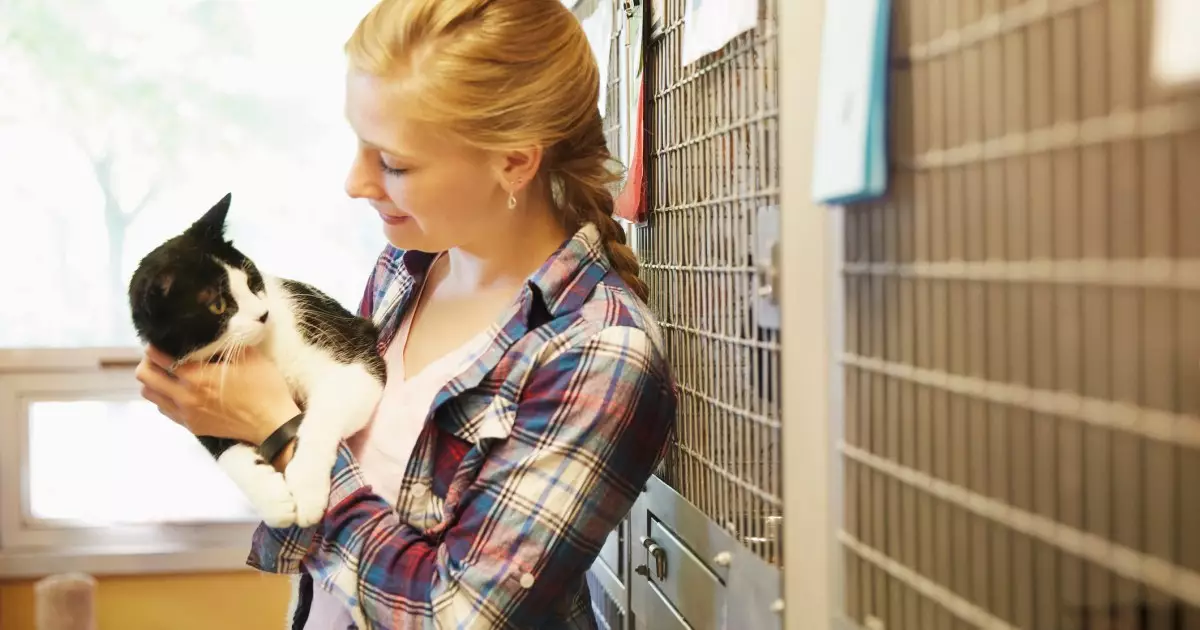
A conversation with a therapist revealed a stark disconnect between my values and those of someone expected to offer understanding. When I expressed my belief that aiding animals was exceptionally meaningful, her incredulity was palpable. She questioned my perspective vehemently, equating societal importance with professions like teaching, firefighting, and healthcare. My assertion—that volunteering in animal shelters provided me with a distinct purpose—became a point of contention rather than connection. The therapist’s escalating critical perspective made it clear that my dedication to animal welfare did not align with the conventional measures of ‘worthy’ contributions to society.
It was unfortunate that our relationship ended on this note of misunderstanding. Rather than mourning the loss of professional support, I found solace and clarity each time I visited the shelter. These experiences reinforced the notion that such work is not simply a means of service but a vital expression of human compassion. For many, the emphasis often gets placed on the acts of heroism and high-stakes interventions, yet the quieter acts of kindness—like feeding a stray or comforting a frightened animal—can evoke just as profound an impact.
The phrase “You get back more than you give” often accompanies discussions about volunteering, especially in contexts involving animal care. While fundamentally true, this sentiment hardly scratches the surface of the profound lessons learned through such experiences. The emotional rewards of interacting with shelter animals manifest differently on various days. Certain afternoons brim with joy; perhaps a long-ignored dog finally responds to gentle encouragement, or a previously unadoptable pet finds a loving home. These moments do indeed make the arduous tasks worth it, offering a fleeting sense of success amid challenges.
However, the more transformational experiences occur during times of struggle. On days when I left the shelter feeling utterly spent—emotionally and physically—the harsh realities of the plight of these animals confronted me directly. The feeling of helplessness can weigh heavily. How can one individual make a difference when the need feels insurmountable? These moments become gateways to genuine understanding, making it clear that the essence of volunteering extends beyond “feeling good.” It becomes a rediscovery of resilience, a reminder of our agency in a world filled with chaos and sadness.
Bonding with shelter animals offers an unrivaled sense of authenticity. Unlike interactions that often involve pretense or mask emotions, animals operate on a purely instinctual level; their reactions are immediate and honest. When a dog finally trusts enough to lean against me or a cat curls up in my lap, personal achievements become trivial. They remind me that in a world coming apart at the seams, these small, genuine connections carry monumental significance.
It isn’t always sweetness and light, though. There are days the weight of despair seems too heavy to bear. Conversations with friends or family about my experiences often fall flat. What is there to say when one is confronted with so much suffering? Yet in those difficult moments, I’ve gained insight into the essence of compassion. It can be a lesson rooted in humility and grace, where the simple action of showing up can teach more than any formal therapy session could. Those emotional trials foster an understanding that while we may feel overwhelmed, our choices and actions still hold value.
In contemplating the broader impact of volunteering, a lingering question arises: How does it ultimately influence animal adoption rates? It becomes clear that each act of kindness contributes not just to the welfare of the animals but to a ripple effect that enhances their chances of finding loving homes. Animals that receive adequate care, socialization, and attention are indeed more likely to present themselves as adoptable companions. This mutually beneficial cycle fosters a community geared towards empathy and responsibility.
Enthusiastic volunteers inadvertently create a tidal wave of compassion; their time and efforts produce happier, healthier animals. A shelter filled with engaged volunteers becomes a haven for both animals and people. As we devote our time to these creatures, we not only boost their spirits but also nurture a sense of belonging within ourselves. The more shelters flourish with community involvement, the more animals can find their forever homes, easing the burden on overwhelmed shelters and possibly reducing the need for volunteers.
Providing a voice for the voiceless through volunteering constitutes a shared responsibility. Each small deed, each moment spent nurturing and caring for an animal, cultivates not only an individual’s purpose but a community’s spirit. Despite skepticism from others, the profound emotional and psychological gains involved in these acts of kindness cannot be discounted. Sometimes, the most impactful lessons in life thrive outside conventional frameworks, within the compassionate hearts of those committed to making a difference—one animal at a time. In the end, this profound experience interlinks us all in a beautiful tapestry of shared humanity.
