
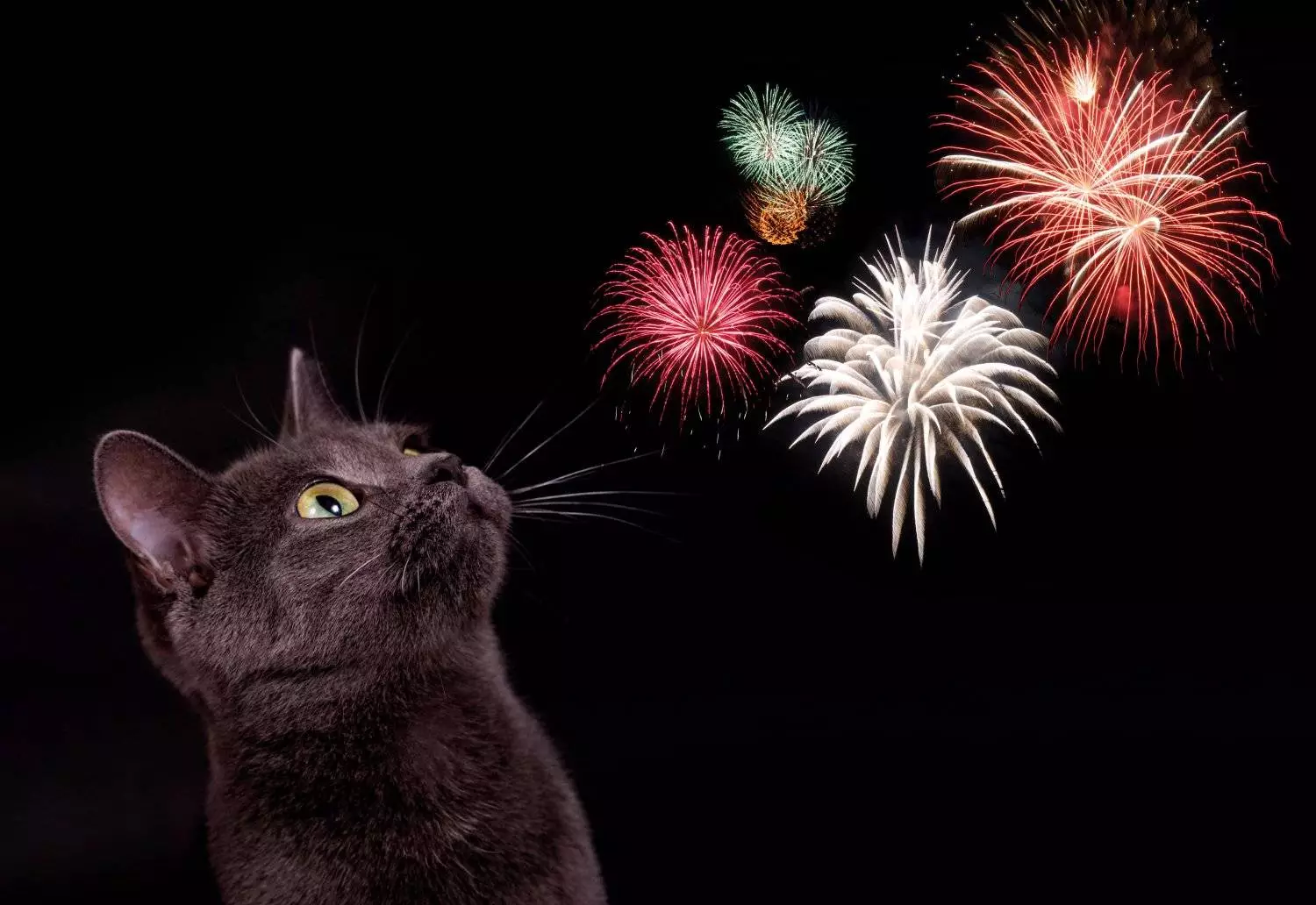
The sheer terror that fireworks can instigate in pets is a reality that many pet owners often overlook. According to the 2022 PDSA Animal Wellbeing (PAW) report, an alarming 41% of dogs and 30% of cats in the UK manifest fear during firework displays. This statistic translates to a staggering 4.1 million dogs and 3.3 million cats feeling unsafe and anxious due to the sights and sounds associated with these celebrations. PDSA Vet Nurse Nina Downing emphasizes that these explosive festivities are not just loud noises; they can be overwhelming for animals, whose acute senses perceive the world more vividly than ours. The psychological impact on our furry friends can be profound, making it imperative to manage these experiences effectively.
Early Preparation: The Key to Calmness
The journey to a more peaceful fireworks season begins with proactive measures. Knowing the exact dates of local firework displays is essential for planning ahead. Simple actions such as closing curtains and windows can help dim the vibrant flashes that cause distress. Creating an auditory distraction, like playing soothing music or turning on the television, can mitigate the intense sounds that unsettle our pets.
Furthermore, establishing a safe haven—a comforting space designed specifically for your pet—can greatly alleviate anxiety. A ‘den’ tailored to your pet’s preferences can create an atmosphere of security. For cats, this may mean setting up a perch at a height they feel comfortable in, while dogs may prefer an enclosed space such as under a table or within their crate. Introducing this den well in advance of firework season allows your pet to get accustomed to it, ensuring they view it as a sanctuary rather than a confinement.
Essentials for a Cozy Den
Crafting the perfect den requires thoughtful consideration. The den should be adorned with items that provide comfort, like cushions, blankets, and toys—elements that offer physical security as well as emotional reassurance. It’s vital to give your pets continuous access to this space while ensuring not to force them into it. Monitoring their comfort levels is key; let them choose when to retreat there and allow them the freedom to exit whenever they please.
Proper hydration is also crucial in this setup. Placing a water bowl nearby ensures that your pet’s needs are met without adding to their anxiety. While the goal is for your pet to utilize their den, it’s important to remember that each animal has different preferences. Respect their choices to hide elsewhere in the house.
The Role of Pheromones in Quelling Anxiety
Pheromones can play a significant role in creating a tranquil environment. These chemical signals, naturally emitted by animals, can be replicated in synthetic forms to promote calmness. Nina Downing suggests utilizing pheromone diffusers or sprays well before fireworks season begins. This subtle yet effective method can create an atmosphere that soothes anxious pets, transparent enough that the mere presence of these synthetic pheromones can be comforting.
However, timing is essential. For sprays, it’s crucial to allow them to settle for at least 15 minutes before introducing your pet to the area to negate any unpleasant scents that might arise from the alcohol base. Understanding this process can often be the difference between a tense and relaxed pet during stressful events.
When to Seek Professional Help
Despite our best efforts, some pets may still struggle significantly with fireworks. In such cases, consulting a veterinarian is a worthwhile step. Vets can provide temporary medication options to help ease anxiety during events that are known to cause distress. However, these solutions should be regarded as short-term aids rather than long-term fixes. A proactive conversation with your vet is necessary; starting these discussions early allows ample time to identify the most suitable approaches tailored for your pet’s specific needs.
Desensitization and Counterconditioning: A Long-Term Solution
Teaching pets that fireworks are not inherently threatening can be an arduous yet rewarding journey. Desensitization and counterconditioning are two strategies that can transform a pet’s fearful response into a more manageable reaction over time. This technique involves gradually acclimating your pet to the sounds of fireworks through controlled exposure while pairing these sounds with positive reinforcement, like treats or praise.
This strategy, however, demands patience. The process begins by playing sound recordings of fireworks at a low volume and regulating the experience based on your pet’s reactions. Slowly increasing noise levels while rewarding calm behavior can ultimately foster a new, positive association with the sounds that initially incite fear. While it may take months to fully achieve desired results, witnessing your pet’s transformation is rewarding and well worth the investment of time and energy.
By remaining attentive and responsive to your pet’s needs during firework seasons, you can cultivate a safe and comforting environment that empowers them to cope with—and potentially overcome—their fears.
