
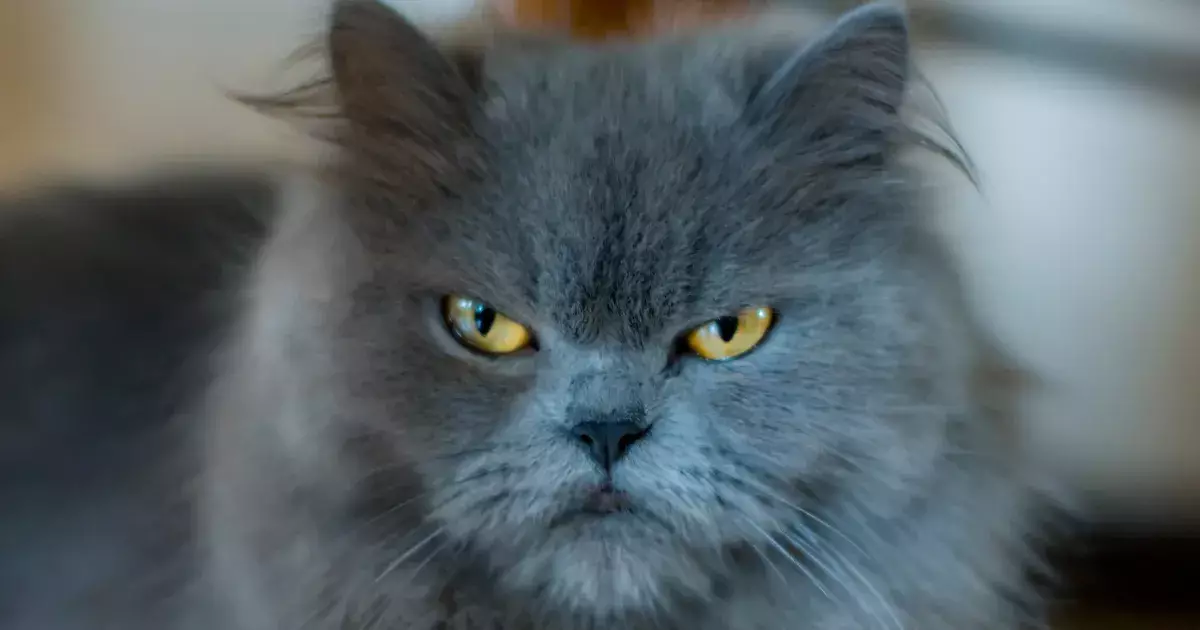
Cats are often perceived as aloof and self-reliant, yet beneath this facade lies a complex emotional world. While they possess a significantly independent nature, they are also capable of experiencing feelings akin to human jealousy. This peculiar aspect of feline behavior often stems from their deep-rooted bond with their owners, who provide them with a sense of security and routine. Understanding these dynamics is essential for fostering a peaceful coexistence between you and your furry friend.
Feline jealousy is usually triggered by changes in their environment or social structure. For many cats, routine is paramount; they thrive on established schedules for feeding, play, and affection. Disruptions to this routine—be it through the introduction of a new pet, shifting family dynamics, or merely a change in your daily interactions—can lead to feelings of insecurity. A new pet may be perceived as a rival for attention or resources, while new family members or frequent visitors can create a sense of competition that your cat may struggle with. The home, often viewed as their sanctuary, can suddenly feel threatened, leading them to act out.
Recognizing the signs of jealousy in cats is crucial for addressing this emotional turmoil. While some behaviors may seem innocuous, they can indicate deeper feelings of insecurity:
1. **Aggression:** A jealous cat may display aggressive tendencies, such as hissing or swatting at other pets or humans. This behavior serves as a form of communication, expressing their discomfort with the shifting dynamics around them.
2. **Attention-Seeking Behavior:** To reclaim your attention, jealous cats may become more vocal or demanding. You might notice increased rubbing, meowing, or a persistent need for attention, indicating their desire to re-establish their place in your affections.
3. **Withdrawal:** In some instances, a cat might respond to feelings of jealousy by retreating. They might isolate themselves from the household, hiding away until they feel reconcilable again.
4. **Urine Marking:** Marking territory can be a more extreme response to jealousy. Cats may resort to urinating in inappropriate places, signaling their discontent and need to reclaim their territory.
Dealing with a jealous cat can be a challenging endeavor, but it is important to approach the situation with compassion and strategy. Here are some practical steps you can take:
1. **Consistency is Key:** Ensure that your cat maintains their regular feeding and play schedule. Allocate ample one-on-one time to reinforce your bond and reassure them of their place in your life.
2. **Gradual Introductions:** If you plan to welcome a new pet or family member, introduce them slowly. Provide designated spaces for the new arrival and allow for gradual interaction, letting your cat adjust at their own pace.
3. **Environmental Enrichment:** To mitigate feelings of jealousy, create an engaging environment filled with stimulating toys, scratching posts, and climbing structures. This not only distracts your cat but also promotes their physical and mental well-being.
4. **Positive Reinforcement:** Celebrate positive behaviors and moments of tranquility with treats or affection. Redirecting your cat’s focus towards positive experiences can diminish feelings of jealousy.
5. **Consulting Professionals:** If jealousy escalates into heightened aggression or anxiety, don’t hesitate to consult a veterinarian or an animal behaviorist for tailored advice. Professional guidance can offer deeper insights into your cat’s emotional landscape.
Understanding and addressing your cat’s jealous tendencies is vital for nurturing a peaceful and loving home. By recognizing the signs and implementing supportive strategies, you can help your pet feel secure, cherished, and content. A combination of patience, stability, and environmental enrichment is fundamental to strengthening the bond with your feline friend. Cat jealousy, while sometimes daunting, can be managed effectively, leading to a harmonious coexistence that benefits both of you.
