
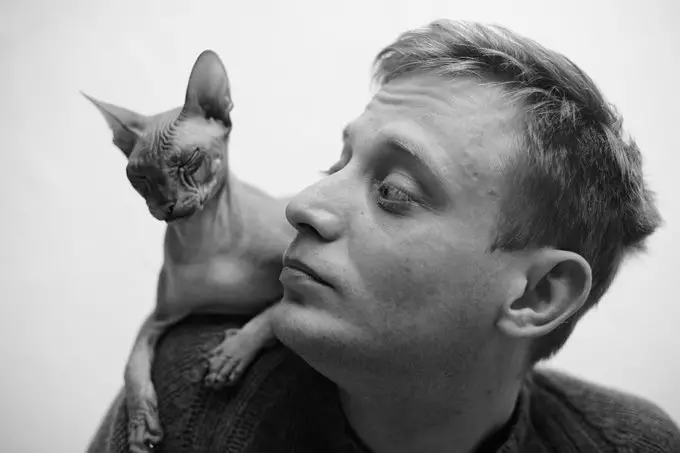
Alopecia, commonly referred to as hair loss, is a prevalent issue among cats, manifesting in various patterns and degrees of severity. Whether partial or complete, this condition can cause concern for pet owners, prompting them to seek effective solutions. Though treatment options are available, understanding the underlying causes and presenting symptoms is paramount for effective management.
The most apparent sign of alopecia in cats is, of course, the noticeable loss of fur. However, the surrounding skin may exhibit different conditions. In some cases, it appears healthy and normal, while in others, it might display redness, scabs, or lesions. The distribution of hair loss can also be irregular, with effects seen in localized patches or more symmetrical patterns. This variability can complicate diagnosis and treatment, emphasizing the need for pet owners to monitor their cats closely.
Multiple factors can contribute to alopecia in felines. One major cause is psychological stress, often leading to behaviors such as excessive grooming or self-trauma. Cats under significant stress may pull out their fur, resulting in patchy alopecia. Beyond behavioral causes, hormonal imbalances represent another significant factor. Conditions such as hyperthyroidism or an overproduction of corticosteroids can disrupt normal hair growth. Additionally, skin allergies, parasites like fleas or mites, and fungal infections, such as ringworm, present notable risks that may compromise a cat’s fur.
Older cats diagnosed with underlying health issues such as cancer frequently exhibit alopecia as well, revealing how various systemic factors may intertwine to affect fur health.
When addressing alopecia, a thorough diagnostic process is crucial. A comprehensive blood panel, including a complete blood count (CBC), may be employed to identify potential hormonal or metabolic disorders. Imaging techniques, such as X-rays, are useful in ruling out serious conditions like tumors or adrenal gland abnormalities. If the veterinarian suspects a dermatological cause, they might opt for skin scrapings, biopsies, or cultures to identify infections or skin pathologies.
Once a definitive cause has been identified, treatment options vary based on the underlying problem. For hormonal imbalances, appropriate medication or supplements may be prescribed. If the cause is behavioral, environmental enrichment and behavior modification techniques can help address self-traumatization. Antihistamines or corticosteroids may be prescribed for allergic reactions, while topical treatments like medicated shampoos provide additional support.
Despite the existence of these treatments, it is noteworthy that no guaranteed method for preventing feline alopecia exists. Vigilant observation and prompt veterinary guidance can play significant roles in managing and alleviating this distressing condition.
While feline alopecia presents a multifaceted challenge for cat owners, a deeper understanding of its causes and treatments allows for better care and support for affected cats. By staying informed and proactive, owners can help minimize the impact of this condition on their beloved pets.
