
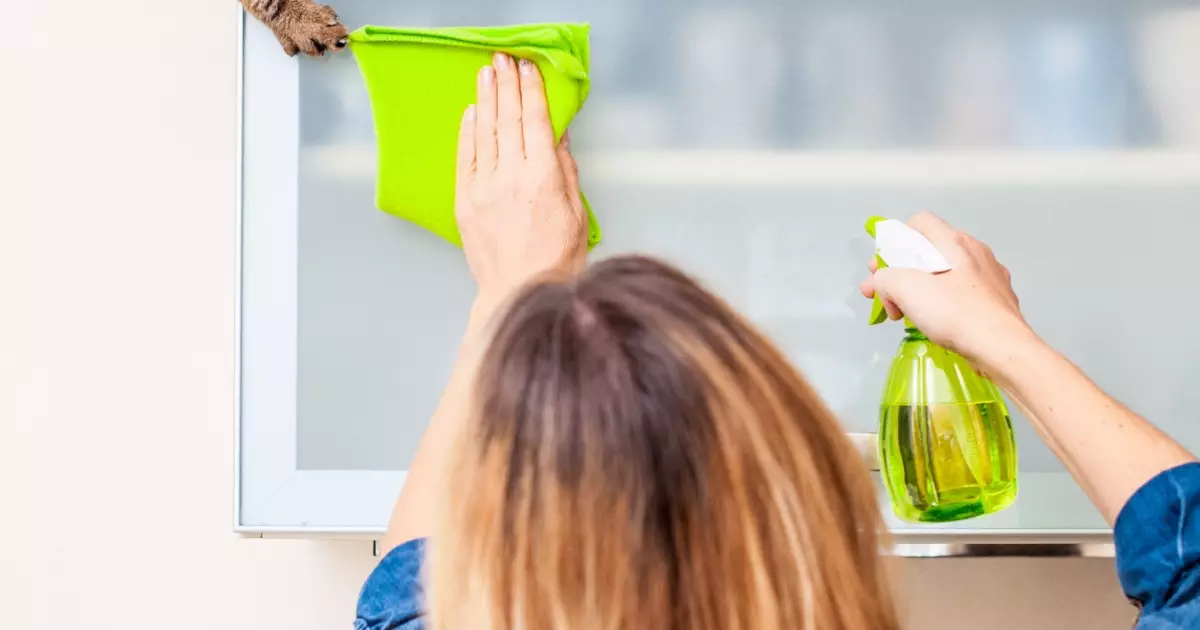
Cats are enchanting creatures, full of curiosity and personality. Their playful antics often bring joy to our lives, yet this same mischievous nature can lead to unwanted behaviors that can frustrate even the most patient cat parents. Many pet owners seek out effective training methods to promote good behavior and discourage the less desirable traits of their feline friends. However, one common method that remains hotly debated among cat enthusiasts is the use of a spray bottle as a corrective tool. In this article, we will examine why employing a spray bottle for training is not only ineffective but potentially harmful to the relationship between cats and their owners. We will then explore more humane and constructive alternatives to shape our feline friends into well-mannered companions.
At the core of the spray bottle approach is the belief that startling a cat with a quick squirt of water will somehow lead them to associate that unpleasant experience with their undesirable actions, such as scratching the couch or climbing on countertops. While this may yield instant compliance—making the cat momentarily halt their behavior—the longer-term outcomes are concerning. Instead of fostering understanding, this method can create a host of negative emotions, such as fear and anxiety. This response can dismantle the fundamental trust that exists between the cat and its owner, leading to a more complicated relationship.
When the shock of the spray bottle fades, cats often revert to their previous behaviors, especially when the owner is not around. They are notorious for being clever and adaptable; many will learn to avoid the punishment altogether rather than change their behaviors. This creates a frustrating cycle of inconsistency in training and disappointment for the cat parent. Instead of nurturing positive habits, it reduces the relationship to one based on fear, undermining any potential for a strong, affectionate bond.
There is a significant array of training methodologies available, yet one of the most rewarding and effective is positive reinforcement. Rather than focusing on punishing unwanted behaviors, this approach encourages desirable actions by rewarding them with treats, praise, or playtime. This fundamentally shifts the dynamic between the cat and its owner; rather than an adversarial relationship marked by fear, it becomes collaborative, fostering understanding and mutual affection.
For example, if a cat is prone to scratching furniture, providing a scratching post serves as an excellent alternative. When the cat uses the designated post instead of the sofa, reward them immediately with a treat, a stroke, or a playful interaction. This method not only reinforces the positive behavior but also respects the cat’s instinctual need to scratch. By providing appropriate outlets for their natural tendencies—such as climbing trees or interactive toys—you cater to their instincts while simultaneously discouraging unwanted actions.
Creating a stimulating and enriching environment is critical for cat welfare and behavioral management. Cats are naturally inclined to explore their surroundings, climb, scratch, and hunt. By providing vertical spaces, such as cat trees or shelves, and offering interactive playthings, pet owners can channel their cats’ energy into constructive activities. A well-designed environment minimizes the likelihood of obsessive or damaging behaviors as the cat engages with their surroundings in fulfilling ways.
Furthermore, clarity and consistency go a long way in training. Establishing clear rules and boundaries that everyone in the household agrees to follow helps provide a structured atmosphere where the cat knows what is expected. Implementing simple verbal cues or hand signals reinforces positive behaviors and assists in redirecting attention when necessary. For example, if a cat begins to jump on forbidden surfaces, gently guide them toward an alternative activity, like a toy or a designated climbing area.
If challenges in training persist, seeking help from a qualified animal behaviorist or a certified cat trainer can prove beneficial. These professionals can provide customized strategies based on the specific behavioral patterns of your cat, offering insights that may not be apparent to the casual observer. Their training techniques can be invaluable in directly addressing problematic behaviors while enhancing the bond between owner and pet.
While employing a spray bottle to correct undesired behaviors in cats may seem like a quick fix, the emotional and relational repercussions make it an unwise choice. Emphasizing positive reinforcement, providing suitable outlets for their natural behaviors, and creating an enriched, consistent environment are all steps that cultivate a healthy cat-owner relationship. Through understanding, compassion, and effective communication, owners can foster a nurturing atmosphere that respects their cats’ instincts and encourages positive behavior, ultimately forming a harmonious and fulfilling partnership.
