
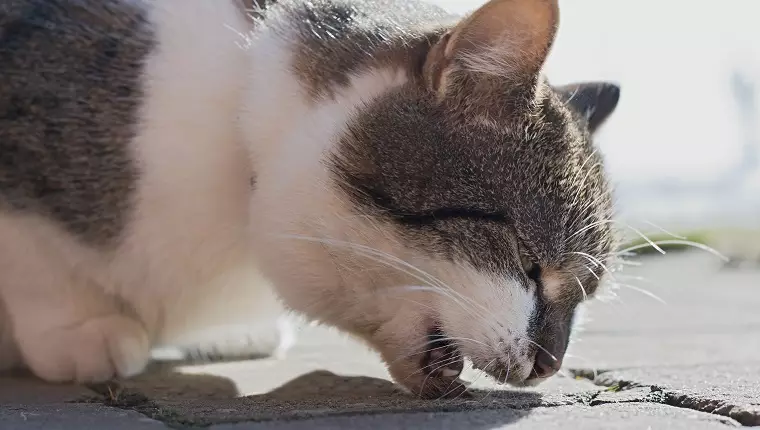
Cats are often described as enigmatic creatures that own their humans rather than the other way around. Anyone who shares their home with a feline companion can attest to the peculiarities that accompany cat ownership, including the infamous hairball. While many cat lovers have encountered the hacking sounds associated with these unpleasant occurrences, it’s essential to delve deeper into the causes, implications, and preventive measures related to hairballs in our furry friends.
The Mechanics of Hairball Formation
The phenomenon of hairballs, scientifically referred to as trichobezoars, is a direct consequence of a cat’s grooming habits. Cats possess tongues covered in tiny, hook-like structures called papillae. These allow them to effectively remove loose fur and dirt from their coats. However, this grooming process leads to the ingestion of hair, which usually travels through the digestive system without issue. In some instances, hair accumulates in the stomach or intestines, eventually necessitating vomiting to expel the dense mass.
Physically, hairballs are often tubular in shape, conforming to the esophagus’s structure as they are expelled. While hairballs are a normal part of cat life, not all cats experience them equally. Long-haired cats or those prone to excessive shedding and grooming are at a greater risk of developing these troublesome masses. Furthermore, factors like allergies, skin conditions, and parasites can lead to increased grooming behavior, exacerbating the hairball situation.
For many cat owners, recognizing the signs of an impending hairball is part of their daily routine. Common symptoms include hacking, gagging, or the visual confirmation of vomited hairballs. However, not all episodes of distress yield visible results; a cat may struggle to bring up a hairball while only producing food or mucus, signalling that the underlying issue may still exist. If a cat displays persistent signs of discomfort, including lethargy, loss of appetite, constipation, or diarrhea, these could signify that an undissolved hairball is causing blockages, requiring immediate veterinary attention.
While a hairball here and there is typically not a cause for alarm, recurrent episodes, particularly if they occur multiple times a week, might indicate a need for a more robust strategy toward management and prevention.
Potential Complications
Though the prospect may seem daunting, hairballs can lead to complications if not managed appropriately. In severe cases, a hairball can become lodged in the esophagus or intestines, posing a serious health risk. Such obstructions can lead to vomiting, dehydration, and even life-threatening conditions that may necessitate surgical intervention. Thus, it is critical to pay attention to your cat’s grooming habits and overall health.
While it may be impossible to eliminate hairballs entirely, certain steps can reduce their occurrence and severity. Consult your veterinarian to devise a tailored plan based on your cat’s specific needs. Here are several commonly recommended strategies:
1. **Regular Grooming**: Frequent brushing can significantly minimize the amount of loose hair available for swallowing. This not only helps reduce hairballs but also strengthens the bonding experience between you and your cat. For long-haired breeds, consider professional grooming services to maintain their coats.
2. **Dietary Adjustments**: Investigating cat food options that promote skin and coat health can be beneficial. Some brands contain special fibers that assist in preventing hairballs by promoting smoother digestion. Your vet can recommend the best diet for your cat’s needs.
3. **Hydration**: Ensure your cat has constant access to clean, fresh water. Proper hydration aids digestion and can help in preventing hairballs. Consider using a cat water fountain; many felines are more inclined to drink from running water.
4. **Interactive Toys and Playtime**: Engaging your cat with toys can distract them from their constant grooming sessions. Regular playtime not only entertains but also encourages exercise, contributing to overall well-being for your feline friend.
While hairballs are a common part of a cat’s life, being vigilant and proactive in managing the issue is crucial. A combination of regular grooming, dietary considerations, and adequate hydration can significantly enhance your cat’s quality of life while minimizing the unpleasantness of hairballs. Always consult with your veterinarian if you notice any changes in your cat’s behavior, as timely intervention can prevent additional complications. Understanding and loving your cat means embracing all aspects of their health — hairballs included!
