
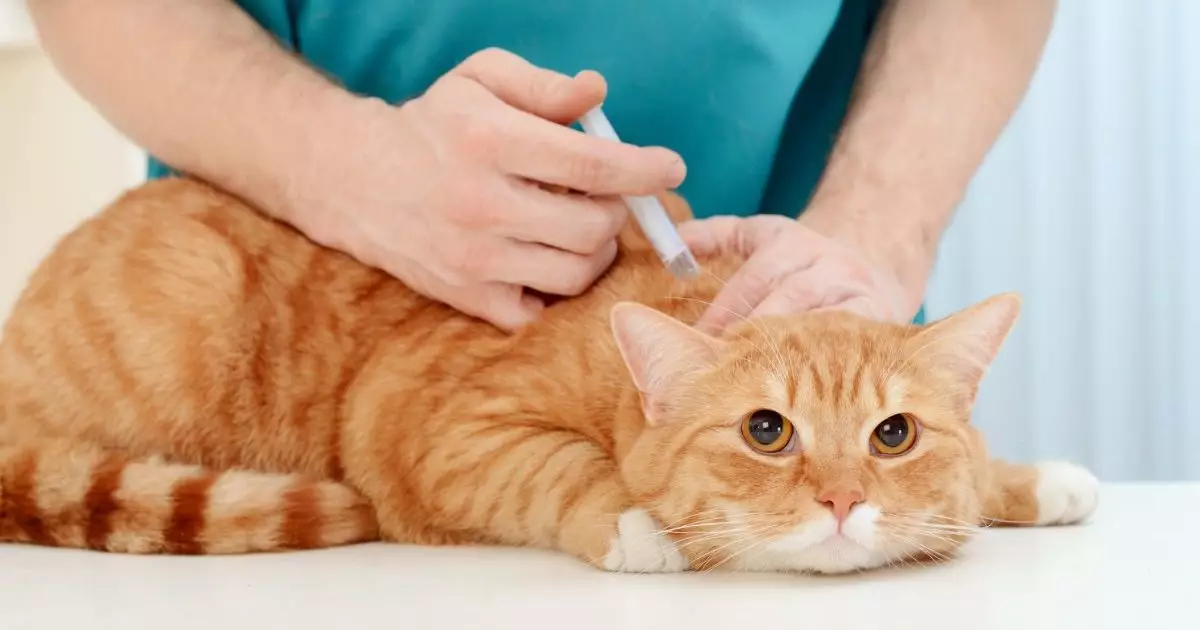
When it comes to treating bacterial infections in our feline friends, penicillin stands out as a potent antibiotic option. Originally derived from the Penicillium mold, this antibiotic has roots in the early 20th century and has truly transformed the landscape of veterinary medicine. Understanding how penicillin works, its applications, possible side effects, and appropriate dosages can greatly aid cat owners in ensuring their pets remain healthy.
Penicillin operates primarily by interfering with the synthesis of the bacterial cell wall. This action is especially effective against gram-positive organisms, which include strains such as Staphylococcus and Streptococcus. In a clinical setting, veterinarians often use penicillin to manage a range of infections, including skin conditions, respiratory issues, urinary tract infections, and even gastrointestinal disturbances. Additionally, it may be employed prophylactically to prevent infections in cats recuperating from surgical procedures or those suffering from wounds.
While penicillin is renowned for its effectiveness, it is essential to note the existence of various formulations. For instance, Penicillin V, which is often prescribed for human patients, hasn’t received FDA approval for use in felines, leading to the implementation of “extra-label” use by veterinarians in select scenarios. This means that although the drug is primarily designed for human treatment, veterinarians may prescribe it for cats depending on specific circumstances surrounding the feline patient’s health.
The appropriate dosage of penicillin for cats can vary significantly based on several factors, including the nature and severity of the infection, the cat’s weight, and overall health status. Penicillin is available in different forms, including injectable solutions and oral formulations. The injectable version, commonly referred to as Penicillin G, has a dosage that typically ranges from 10,000 to 25,000 units per pound of body weight, administered multiple times a day as per the veterinarian’s guidance. On the other hand, oral penicillin is usually dosed at 5 to 10 mg per pound, typically given once daily.
Adhering to the prescribed treatment duration, often between seven to fourteen days, is critical. Cat owners must remain steadfast in completing the full course of treatment even if their pet appears to have improved. Discontinuing medication prematurely can result in antibiotic resistance, potentially leading to far tougher health challenges in future treatments.
Storage and Safety Measures
Preventing medication mishaps is vital, and proper storage of penicillin ensures its efficacy and safety. Oral tablets should be stored in a cool, dry area, ideally at temperatures between 68 and 77 degrees Fahrenheit, away from direct sunlight. The injectable form may require refrigeration, thus it’s essential to adhere to the specific storage recommendations provided on the medication label.
Even though penicillin is generally well-tolerated by cats, some may experience side effects, ranging from mild to severe. Commonly noted side effects can include gastrointestinal distress or allergic reactions, the latter warranting immediate veterinary attention. More uncommon symptoms might involve alterations in behavior or, in exceedingly rare circumstances, seizures. Additionally, prolonged use of penicillin could disrupt normal gut flora, leading to secondary infections.
Before initiating a penicillin regimen, it is imperative for cat owners to share their pet’s complete medical history with the veterinarian. Certain medications, including other antibiotics and drugs such as methotrexate, may interact adversely with penicillin. Furthermore, cats that have demonstrated past allergic reactions to penicillin or similar antibiotics should be monitored with extra caution.
Nonchalantly missing a dose may seem harmless, but it’s imperative to consult with the veterinarian for proper instructions on what to do next. Oftentimes, they may suggest administering the missed dose promptly unless it is nearly time for the next one, in which case the advised approach would be to skip the missed dose entirely.
Penicillin serves a pivotal role in the treatment of bacterial infections in cats. With knowledge of its applications, guidelines for proper dosages, and potential side effects, cat owners can actively participate in their pet’s health management. Regular communication with a veterinarian is crucial in ensuring the safest and most effective usage of this antibiotic, underscoring the importance of veterinary oversight in feline healthcare. By understanding the essential aspects of penicillin, pet owners can navigate the complexities of antibiotic use, ensuring their feline companions health and wellbeing.
