
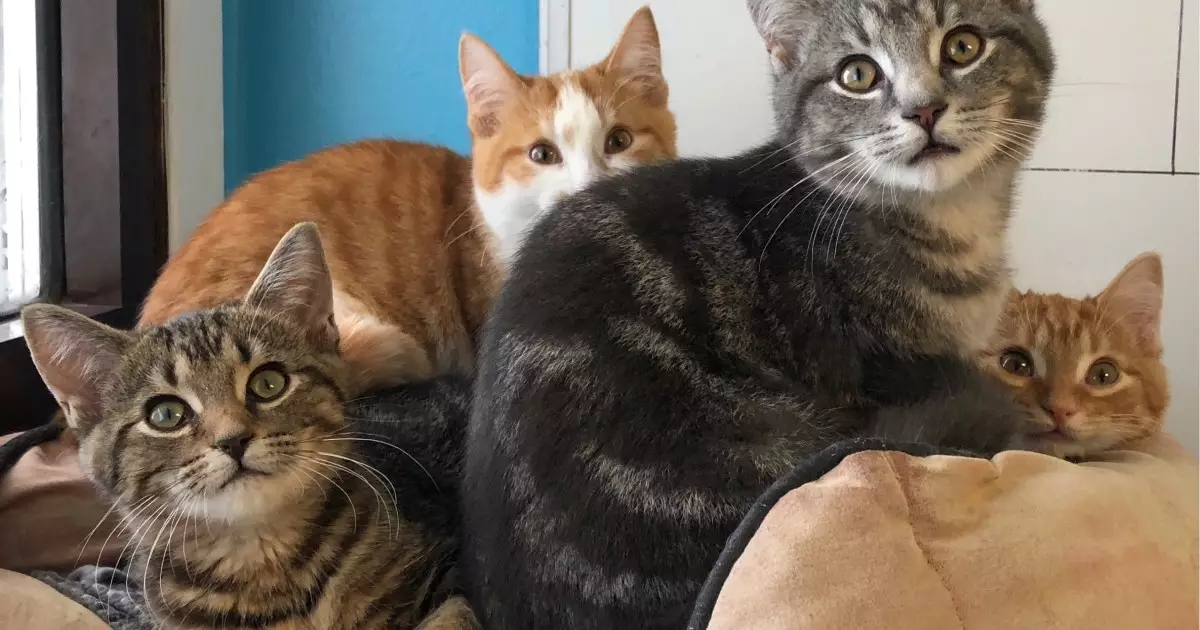
The enchantment of cats is undeniable. Their playful antics, soothing purrs, and independent spirits can captivate anyone, leading many to consider expanding their feline family once they adopt one or two. However, as the proverb suggests, “curiosity killed the cat,” and the same curiosity can lead enthusiastic pet owners down a slippery slope toward an unmanageable number of cats. As much as we adore our furry friends, understanding the boundaries of responsible feline ownership is crucial to ensuring a healthy and harmonious environment—for both the pets and their human caretakers.
The transformation into a “cat person” can happen quickly, often followed by a desire to adopt more. However, rising numbers can easily cross into the territory of excessive pet ownership, raising critical ethical and practical concerns. How do we discern when the joy of having multiple cats transforms into a scenario where it becomes detrimental to their well-being? It’s essential to explore this aspect deeply before welcoming a new furry friend into your home.
The transition from responsible pet owner to someone who has too many cats isn’t always marked by a clear threshold; rather, it evolves based on various individual circumstances. Insights from animal behaviorists and veterinarians showcase that while the exact number of cats one can properly care for varies, a good benchmark is typically around six. Beyond this point lies a range of complications that can severely impact both a cat’s well-being and the owner’s ability to provide adequate care.
Consider first the issue of individual attention. Cats are social creatures that need engagement and affection from their owners. A surge in the number of pets can lead to less individualized care, with some cats suffering from neglect. Each feline deserves love, playtime, and personalized care schedules. When the space becomes crowded, both humans and cats may experience heightened stress, leading to conflict among the animals or even with the owner.
Living space poses another significant challenge when welcoming new cats into the household. Cats are territorial by nature, and a cramped environment can incite skirmishes. They require sufficient room to roam freely and establish their domains. It becomes essential to maintain distinct areas for each cat to minimize confrontations. Many experts suggest the guideline of “one litter box per cat plus one extra” to further mitigate issues related to space and territorial disputes.
Overcrowding does not only stress out the cats but can also lead to various behavioral problems. Increased aggression, anxiety, and — in worst-case scenarios — the development of compulsive behaviors are all red flags that signal an overcrowded home. Regular playtime, socializing, and maintaining a routine can help, but as the numbers ascend, the feasibility of these practices diminishes considerably.
The financial responsibilities of pet ownership also ramp up significantly with each new addition. From regular essentials like food and litter to unexpected veterinary expenses, the costs can spiral out of control. Pet owners must ensure they can financially support all members of their feline family, including providing for their medical needs and general upkeep.
Additionally, maintaining hygiene becomes a demanding task in a multi-cat environment. Regular cleaning of litter boxes, grooming, and preventive care requires time and effort that can become overwhelming as the number of cats increases. This burden can inadvertently lead to neglect, compromising not just the health of the cats, but that of the owner as well.
Before deciding to adopt another feline friend, it’s crucial to conduct a thorough self-assessment. Consider your living space: is there enough room to accommodate additional cats comfortably? Are you capable of allocating sufficient time for each cat’s physical, emotional, and social needs? Furthermore, evaluate your financial capacity to support your furry companions. Emergency funds can prove invaluable in ensuring that unforeseen medical expenses do not derail your ability to provide care.
In addition to the aforementioned factors, it’s imperative to also gauge your own emotional bandwidth. Caring for multiple pets is rewarding, yet it requires dedication, patience, and resilience. Being honest with oneself about personal limitations is key to ensuring that each cat gets the attention and care they rightfully deserve.
Ultimately, the joy of owning cats should never be undermined by the burden of inadequately managing their needs. Finding that delicate balance between how many cats can be loved and cared for versus succumbing to the temptation of adopting more is crucial. As a loving pet parent, it’s better to create a happy and nurturing environment for a manageable number of cats rather than jeopardizing their quality of life through excessive ownership.
This careful evaluation can facilitate fulfilling relationships with your furry companions and ensure that the love shared is genuine, respectful, and enriching for all involved. So, when contemplating the addition of another cat to your household, prioritize their well-being and your own capabilities over the allure of expanding your feline family.
