
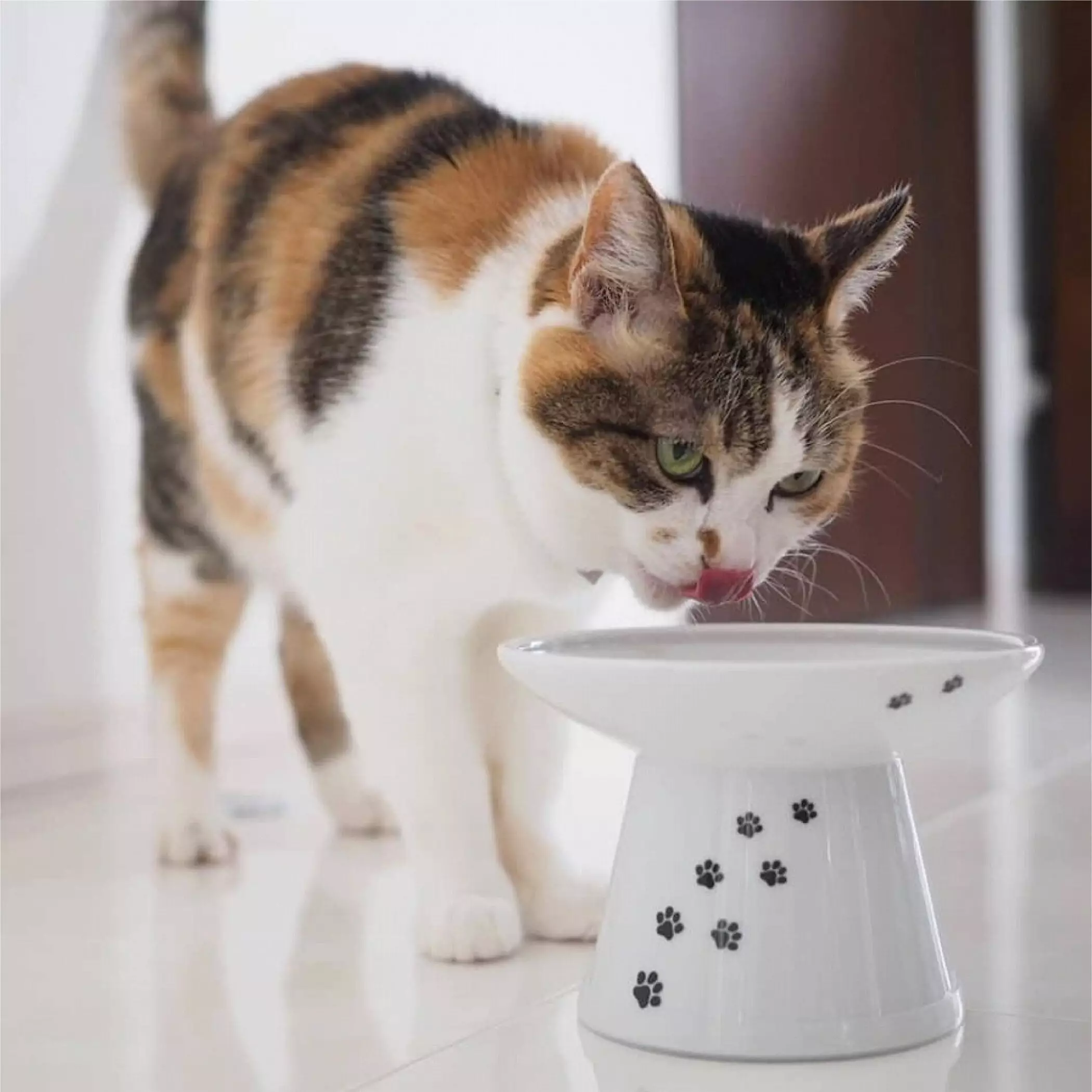
Cats are enigmatic creatures that grace our homes with their elegance and charm. However, as cat owners, we often overlook subtle signs of discomfort or stress in our feline friends. One such condition that demands attention is whisker fatigue, a surprisingly common yet under-discussed issue among cats. This article delves into the nature of whisker fatigue, its causes, symptoms, and effective solutions to ensure your cat’s feeding experience is as comfortable as possible.
What is Whisker Fatigue?
Whiskers are not merely adorable tactile features; they are vital sensory organs that assist cats in spatial awareness, allowing them to navigate their environment. Packed with nerve endings, whiskers provide crucial data about nearby objects, enabling felines to judge distances and sizes. Whisker fatigue occurs when these sensitive strands become overstimulated, commonly through contact with feeding surfaces. The discomfort caused by this overstimulation can lead to stress and an aversion to eating, highlighting the need for cat owners to be vigilant about their pets’ physical comfort.
Understanding the triggers of whisker fatigue is essential for prevention and management.
1. **Narrow or Deep Bowls**: Traditional feeding bowls typically tend to be deep or narrow, positioning a cat’s whiskers against the bowl edges during mealtime. This contact can result in overstimulation, leading to discomfort.
2. **Crowded Feeding Environments**: For households with multiple cats, shared eating spaces can lead to whiskers touching. This proximity can escalate stress for cats, especially if they’re naturally solitary creatures.
3. **Poor Hygiene**: Dirty bowls can exacerbate the issue of whisker fatigue. Residue from old food can irritate their whiskers, leading to discomfort and avoidance of the feeding area.
4. **Extended Feeding Sessions**: Cats that take a long time to finish their meals due to slow eating habits may face prolonged whisker stimulation, ultimately leading to fatigue.
Being able to recognize the signs of whisker fatigue in cats is pivotal in addressing the condition promptly. The symptoms can vary but may include:
1. **Decreased Appetite**: A cat that is experiencing whisker fatigue may suddenly show reluctance to eat, possibly skipping meals entirely if the discomfort becomes overwhelming.
2. **Pawing at the Bowl**: Cats struggling with whisker irritation may paw at their food bowls persistently. This behavior could signify discomfort and an attempt to adjust their feeding environment.
3. **Food Debris on the Floor**: A cat that knocks their food out of the bowl may be seeking a more comfortable eating position, suggesting dissatisfaction with conventional bowl shapes.
4. **Behavioral Changes**: Increased agitation, anxiety, or irritability can also signify whisker fatigue. Stress can manifest in various ways, including hiding or aggressive behaviors.
Cats thrive in environments that prioritize their comfort. Effectively managing whisker fatigue requires understanding and adapting their feeding conditions:
1. **Opt for Shallow and Wide Bowls**: Invest in dishes that are both wide and shallow, allowing for an unobstructed eating experience. Ceramic or stainless steel models are ideal as they are non-toxic and easy to clean, further promoting your cat’s health by preventing bacterial growth.
2. **Individual Feeding Areas**: If more than one cat in your household is prone to whisker fatigue, consider providing separate feeding stations for each cat. This practice minimizes the chances of whisker contact with their peers.
3. **Maintain Clean Bowls**: Regularly cleaning food and water dishes is vital in preventing residue build-up, promoting a healthier eating environment and enhancing your cat’s comfort.
4. **Utilize Flat Feeding Surfaces**: In addition to traditional bowls, consider offering flat plates or shallow dishes. These alternatives reduce whisker contact, allowing for a more pleasant dining experience.
5. **Slow Feeders for Fast Eaters**: For fast eaters, incorporating slow feeder bowls can regulate their pace, limiting the duration of whisker stimulation during meals.
6. **Observe and Adjust**: Stay attuned to your cat’s eating behaviors. Monitoring these habits can help identify persistent symptoms of whisker fatigue that may warrant a consultation with a veterinarian.
Whisker fatigue is a significant issue that can lead to discomfort and stress in cats, yet it is often overlooked. By arming ourselves with knowledge about its causes and symptoms, and implementing effective solutions, we can create a more harmonious feeding environment for our pets. Paying attention to a cat’s needs fosters not only their physical well-being but also nurtures their emotional health. A comfortable, stress-free cat means a happier companion, making it all the more worthwhile for pet owners to be proactive in ensuring their beloved feline friends are kept content and healthy.
