
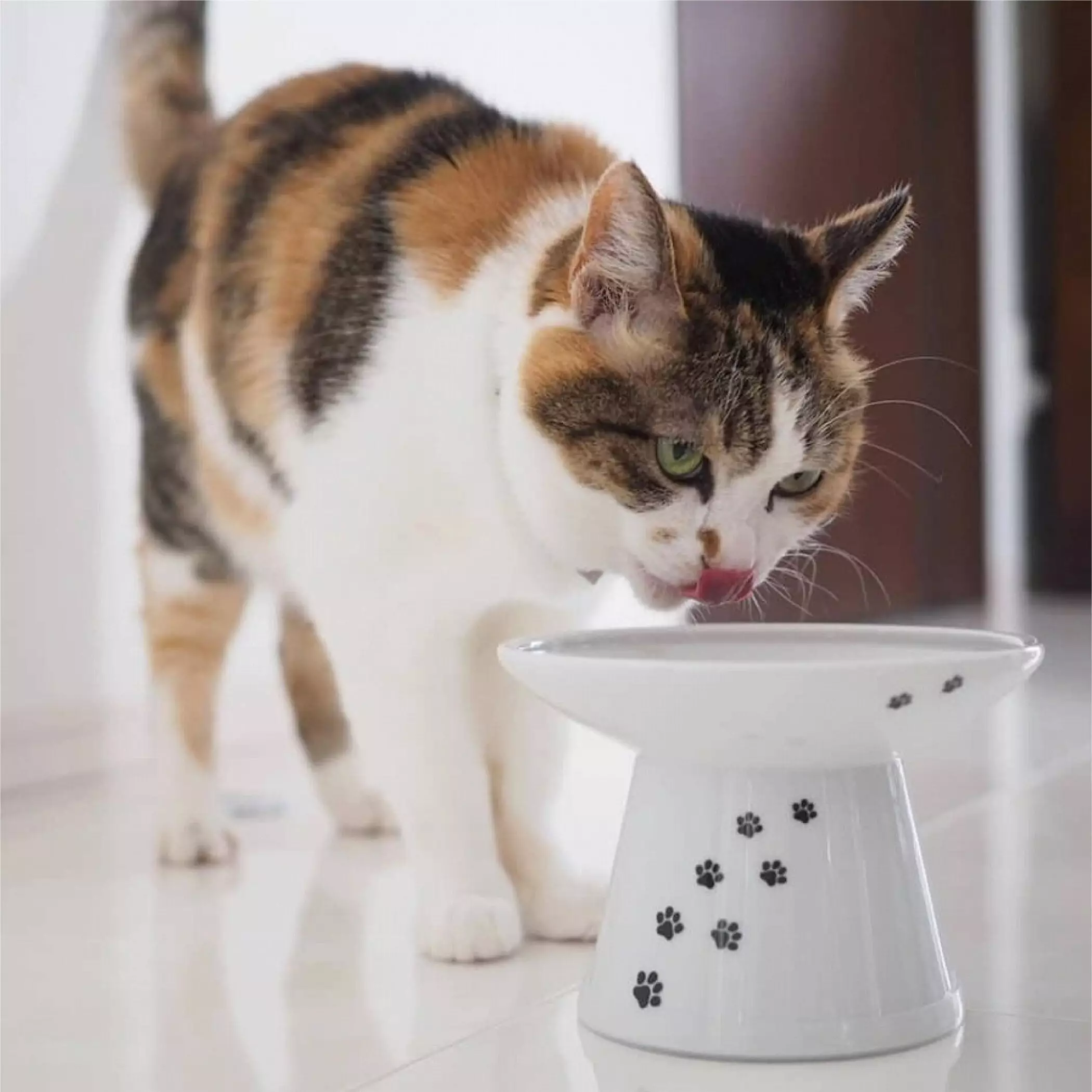
Cats are often described as enigmatic creatures, exhibiting quirky behaviors that can sometimes baffle their owners. One such behavior that has garnered attention in recent years is whisker fatigue, a condition that can affect a cat’s eating and drinking habits. In this article, we will delve into what whisker fatigue is, its implications for our feline companions, and how owners can best address this often-overlooked issue.
Whisker fatigue refers to the sensory overload experienced by cats when their whiskers come into contact with various surfaces too frequently or too intensely. Whiskers, or vibrissae, are more than mere decoration; they serve as an essential sensory tool for cats, helping them navigate their environment. In nature, these long, sensitive hairs allow cats to judge space, detect nearby objects, and hunt with precision. However, domesticated cats often encounter environments that overstimulate their whiskers, particularly when eating or drinking from bowls that are too deep or narrow.
When whiskers touch a bowl’s sides consistently during meal times, the resulting barrage of sensory information can overwhelm a cat’s nervous system. This situation is compounded in households where cats are expected to conform to a human-oriented lifestyle, thus leaving them vulnerable to discomfort that might not be immediately obvious.
Identifying whisker fatigue can be challenging, as the symptoms often overlap with other behavioral issues. However, certain signs can help owners detect this condition. For instance, a cat may begin to refuse food or water from their usual dishes. They might pace in front of their bowls, vocalizing in frustration, or attempt to paw their food or water out of the dish. Additionally, if a cat seems aggressive or stressed when offered food, this could indicate that their sensory system is being overstimulated by their whiskers.
An attentive owner might notice a shift in behavior after observing these symptoms, such as the usual enthusiasm for meal times diminishing. This prompts an exploration of potential solutions that can restore a cat’s comfort during feeding times.
Upon realizing that a beloved pet is exhibiting signs of whisker fatigue, the natural instinct is to explore alternative feeding solutions. One notable innovation in pet products is the Necoichi extra-wide bowl, designed particularly to alleviate the discomfort caused by whisker contact. The unique design of these bowls allows for easy access to food while ensuring that the whiskers do not touch the sides excessively.
These bowls have won accolades for their functionality and design, presenting a significant improvement over traditional feeding bowls. The Necoichi bowl features a gently sloped curve that not only helps keep food centralized but also minimizes the likelihood of a cat feeling that their meal is always out of reach.
Moreover, the Necoichi bowls are crafted from ceramic, which is far easier to clean than bamboo composite or plastic alternatives that can harbor bacteria. This factor is particularly important for maintaining feline health, as some cats can develop conditions like feline acne due to unclean materials.
In addition to using appropriate bowls, consider the height at which the food is offered. Elevated feeding positions can exert gravitational assistance, making it easier for cats to eat without straining their necks or increasing the chance of vomiting. A raised bowl might be particularly beneficial for older cats or those with specific medical conditions affecting their eating or swallowing.
The Necoichi brand offers a delightful range of designs, appealing to owners who want to match their pet’s feeding setup with their home decor. With options ranging from minimalist to whimsical motifs, there’s something to cater to both feline preferences and the aesthetic tastes of their human companions.
Whisker fatigue is a genuine issue that can significantly impact a cat’s quality of life if left unaddressed. By recognizing the signs and investing in proper feeding solutions such as the Necoichi extra-wide bowls or other whisker-friendly alternatives, pet owners can ensure that their cats enjoy mealtime without discomfort. This attention to detail not only fosters a happier eating experience but ultimately contributes to better overall health and well-being in our cherished feline friends.
As we continue to learn more about the intricacies of cat care, it’s essential to adapt our practices to meet their unique needs. By understanding conditions like whisker fatigue, we can enhance our connection with our pets and improve their lives in meaningful ways.
