
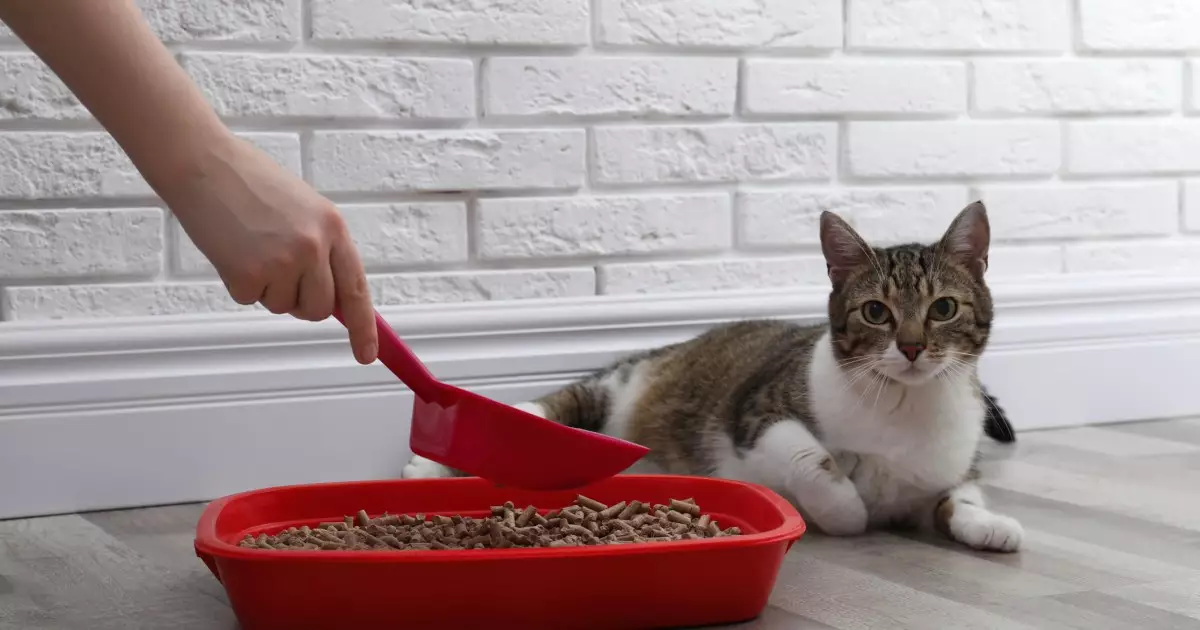
Maintaining your cat’s litter box is one of the many responsibilities that accompany pet ownership. It’s not a task that elicits a sense of joy or pride; in fact, it’s often viewed as a necessary nuisance. However, this essential task relates deeply to your cat’s instincts, behaviors, and overall wellbeing. By taking the time to comprehend the reasons behind your cat’s litter box habits, you can foster a healthier environment for your feline friend while also easing the burden of this household chore.
The Instincts Behind the Action
Cats exhibit a natural instinct to bury their waste, primarily as a survival strategy rooted in their wild ancestry. In nature, while dominant cats might leave their waste exposed to assert their territory, submissive or vulnerable cats will instinctively bury their excrement. This behavior acts as a means of camouflage, preventing potential predators from detecting their presence. When your cat digs and covers its droppings, it’s an instinctive behavior that speaks to a need for safety and security. Understanding this can help owners appreciate why their cats may be baffled by how humans interact with their litter.
When you clean out the litter box, your cat might feel confused. While it may seem like a simple act of hygiene to you, to your cat, it’s a disruption of their carefully established systems. They do not inherently understand why their waste needs to be handled, especially since their instinct is to keep things hidden. This natural behavior should inform how you approach cleaning their litter area.
Cats are inherently clean creatures. Just as we prefer using a tidy bathroom, cats are likely to hold off on using a litter box that is dirty. This isn’t a personal vendetta against you or a form of punishment; rather, it’s about cleanliness and comfort. If the litter box hasn’t been scooped for a couple of days, many cats will opt to relieve themselves just outside the box, rather than inside a filthy environment. By keeping the litter box clean, you encourage your feline companion to use it and avoid “accidents” in inappropriate areas.
Regular maintenance of a litter box not only helps prevent accidents but promotes your cat’s health as well. The accumulation of soiled litter can harbor bacteria that are harmful to both cats and humans. Daily scooping is a best practice that helps to maintain sanitary conditions. If you have multiple cats, the rule of thumb is to have one litter box per cat, plus one extra. It’s all about providing comfortable options for your pets to ensure they don’t feel compelled to avoid their designated toilet area.
If you need to relocate your cat’s litter box, it’s vital to understand that cats thrive on familiarity. An abrupt change in location can be disorienting for your cat. Instead of relocating the box all at once, try moving it gradually—about an inch a day. This gentle transition allows your cat to adjust to the new location without feeling overwhelmed. Additionally, always ensure that the new location is quiet and private, allowing your cat to feel secure while eliminating.
When changing the type of litter used, patience is key. Cats can be quite finicky about their litter. Switching abruptly from one brand or type to another can lead to refusal to use the box, resulting in unfortunate messes. To mitigate this, incorporate new litter gradually by mixing it with the existing litter and slowly increasing the proportion of the new type over several days. This process ensures your cat feels comfortable and familiar with the new texture, minimizing potential litter box aversion.
What Else Might Your Cat Be Thinking?
While cleaning your cat’s litter box, it’s clear that there are many underlying emotions and instincts at play. Cats may initially struggle to understand why humans handle their waste but, as conscientious cat owners, we have the opportunity to make it a less stressful experience for them. By empathizing with these behaviors and maintaining a clean, consistent, and comfortable environment, not only do we cater to their needs, but we also enhance our bond with these enigmatic creatures.
While cleaning your cat’s litter box may not be the most enjoyable task, understanding the intricacies of what this experience means for your cat can transform how you approach it. Compassion, patience, and knowledge are your best tools in creating a healthy living environment for your feline friend.
