
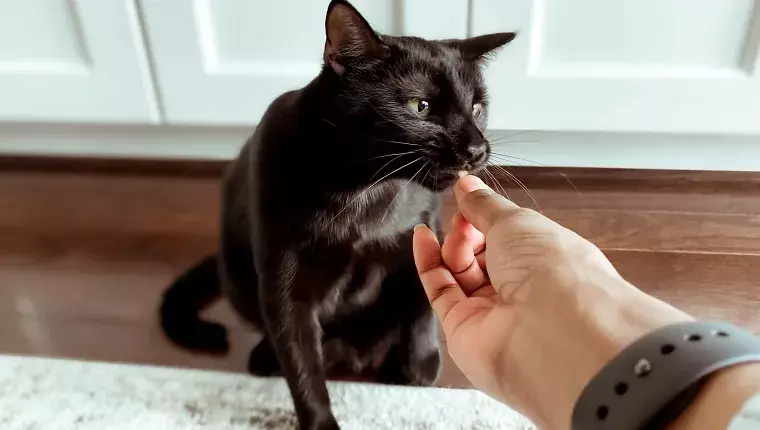
Cats have long been regarded as independent creatures, often perceived as aloof and untrainable. However, this is a misconception; cats are intelligent animals that can indeed learn a variety of tricks and respond to commands, much like their canine counterparts. With the right approach and techniques, you can transform your kitty into a responsive and entertaining companion. This article will explore the methods and philosophies behind successful cat training.
At the core of effective cat training lies the principle of positive reinforcement. This approach involves rewarding your cat for desired behaviors rather than punishing unwanted ones. Negative reinforcement can create anxiety and diminish your cat’s willingness to learn, leading to a breakdown in communication between you and your pet. Instead, focus on encouragement and rewards—be it treats, praise, or affection—to reinforce behaviors that you want to cultivate.
Start with a suitable and enticing reward. Every cat has its preferences when it comes to treats, so discover what motivates your feline friend the most. This could be anything from commercial cat treats to a small piece of cooked chicken. The key is to provide the reward immediately after your cat demonstrates the desired behavior, thus creating a strong association between the action and the reward.
When embarking on your training journey, begin with simple commands such as “sit” and “come.” These foundational skills are not only easy for cats to learn but also serve as stepping stones to more complex tricks. The process of teaching your cat to “sit” can resemble that of training a dog. Hold a treat above your cat’s head and guide them to sit by raising the treat, which will naturally prompt them to lower their bottom in search of the reward. As soon as your cat assumes the sitting position, say “good” or use a clicker to mark the behavior effectively. Immediately follow this with the treat.
Remember that patience is vital. Each cat has its own learning pace, so don’t rush the process. Consistency is your ally; repeating the command and reward cycle reinforces learning. Over time, as your cat becomes familiar with the action, you can begin to label the behavior with its designated command, enhancing their response to that cue.
The training environment plays a crucial role in your cat’s ability to learn. Ensure the setting is calm, comfortable, and free from distractions. Training immediately after mealtime may not yield the best results, as your cat may be too full to respond eagerly. Instead, choose a time when your cat is slightly hungry and more likely to be motivated by treats.
Moreover, consider your cat’s psychological state. If your feline seems stressed or anxious, it may be best to postpone the training session. A relaxed and happy cat will be more receptive to learning. Never attempt to train when you yourself are feeling tense, as your stress can transfer to your pet, inhibiting their ability to engage positively.
Once your cat has successfully learned basic commands, consider advancing to more intricate tricks or behaviors. Remember, training can also be a solution to unwanted behaviors. For instance, if your cat has a habit of jumping on countertops, instead of scolding them, you can train them to sit at your feet when they want attention. Similarly, the recall command—teaching your cat to come when called—can be a rewarding exercise.
Establish a unique cue—like a specific whistle or a clicker sound—when summoning your cat. To reinforce this, call them to you during feeding times, gradually increasing the frequency of commands throughout the day. Reward them for coming and enhance their understanding that responding positively leads to delicious outcomes.
While training is essential, it’s crucial to balance it with regular play and exercise. Overindulgence in treats can lead to weight issues, so ensure your cat is engaged in physical activities that promote health and fitness. Combining training with play can make the experience enjoyable for both of you.
On your journey of training your cat, prepare for a blend of challenges and triumphs. Celebration of small victories is key in keeping yourself and your pet motivated. Remember, every cat can learn tricks; it just takes time, patience, and a dash of creativity. What tricks have you taught your feline friend? Share your experiences and handy tips to help fellow cat owners embark on their training journeys!
